



























Best Outdoor Folding Chairs for Comfort and Durability


Choosing the right outdoor folding chair isn’t just about finding a seat that folds up neatly; it’s about matching comfort, durability, and style to the way you spend your time outside.
Whether you’re planning a weekend BBQ, setting up a backyard movie night, or need portable seating for a fishing trip, the chair you pick will dictate how relaxed (or cramped) those moments feel. Practitioners who spend hours testing chairs on porches, campsites, and concert lawns often look for three core qualities: a frame that withstands weather, a seat that supports you without sagging, and a weight‑to‑carry ratio that won’t tire you out.
In the sections that follow, we’ll break down the material science behind aluminum versus steel frames, explore how foam density and fabric weave affect long‑term comfort, and reveal the hidden features—like lock‑in hinges and integrated cup holders—that separate a “good enough” chair from a favorite outdoor companion. Keep reading, and you’ll walk away with a clear checklist that lets you pick a folding chair that feels custom‑made for your next adventure.
Weather‑Resistant Fabrics Keep Seats Fresh
When a sun‑soaked afternoon turns into a breezy evening, the upholstery on your folding lawn chairs bears the brunt of the elements. UV‑blocking polyester blends, often treated with water-repellent finishes, tend to stay vibrant longer than plain canvas, which can fade or mildew after repeated exposure. Practitioners recommend looking for fabrics that are “quick‑dry” and have a tight weave; these characteristics allow rain to bead off rather than soak in, reducing the risk of mold growth. A simple test—spraying a chair surface with a mist of water—can reveal whether the material will drip away or cling, giving you a quick gauge of its weather‑proof credentials.
Pairing Seats with an Outdoor Table and Chairs Set
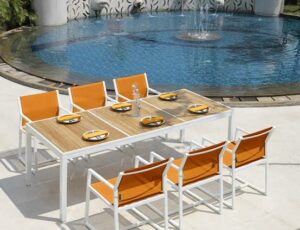
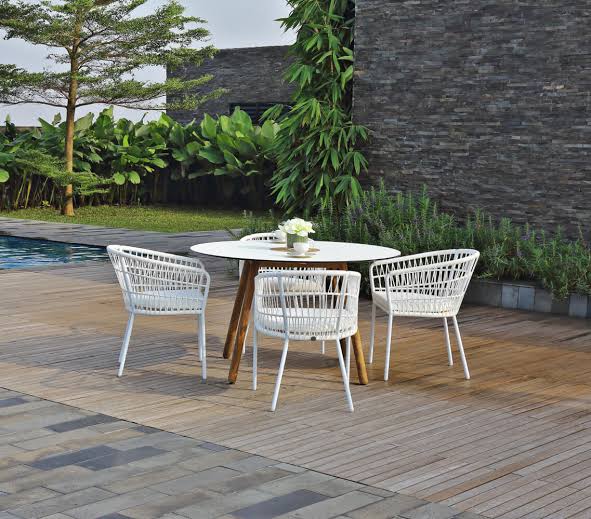
A cohesive patio layout feels intentional when the chairs and the table share a visual language, whether that’s a matching metal finish or complementary wood tones. When selecting an outdoor table and chairs ensemble, consider the armrest height of your folding lawn chairs; a table that sits too low forces guests to hunch, while one that’s too tall creates an awkward gap. Many manufacturers now offer modular sets where the table’s legs echo the chair’s frame geometry, delivering a balanced silhouette without sacrificing the portability you love. By aligning the chair’s footprint with the table’s surface area, you create a functional “conversation zone” that feels both sturdy and inviting.
Choosing Luxury Furniture That Actually Works for Your Home
When I began furnishing my own Jakarta loft, I quickly learned that “luxury” isn’t just a price tag—it’s a balance of material, craftsmanship, and how the piece fits into daily life. In my experience, the most satisfying purchases come from a hands‑on process: touching the grain, testing the hinge, and picturing the item in a specific corner. Below is a practical roadmap that helped me avoid the common pitfalls many first‑time buyers face.
1. Start With the Material, Not the Trend
Mahogany, teak, and solid walnut each have distinct properties. Mahogany, for instance, ages gracefully and develops a warm patina, but it can be prone to warping in high‑humidity areas if not properly sealed. Teak is naturally oil‑rich, making it resistant to moisture—ideal for Indonesia’s tropical climate—but its deep amber hue may clash with light‑colored interiors unless you plan to let it mellow. Walnut offers a rich, dark finish and holds detail well, yet it’s softer than teak and can dent more easily under heavy use.
Why it matters: Choosing the right wood before you fall for a design trend ensures the piece will stay beautiful and functional for years, not just months.
2. Evaluate the Joinery, Not Just the Finish
I once bought a sleek, glass‑top coffee table that looked perfect in the showroom. The first weeks revealed a subtle creak because the table used simple dowel joints instead of traditional mortise‑and‑tenon or dovetail connections. In practice, a well‑crafted joint distributes stress and resists wobble, especially on pieces that bear weight or endure frequent movement.
Trade‑off: Higher‑quality joinery often adds to the price, but the long‑term cost of repairing or replacing a compromised item far outweighs the initial savings.
3. Match the Scale to Your Space
A common mistake I made early on was selecting a grand, six‑foot dining table for a modest apartment. The table dominated the room, leaving barely any room for circulation. When you’re working with limited square footage, consider modular or extendable options that can shrink or grow as needed. A well‑designed extendable oak table, for example, can serve intimate meals and still accommodate larger gatherings without overwhelming the layout.
Edge case: If you live in a high‑rise building with strict weight limits, opt for lighter‑than‑expected materials like engineered wood or aluminum frames, which still convey luxury without overloading the floor.
4. Look for Customization Opportunities
Luxury furniture doesn’t have to be one‑size‑fits‑all. In my experience, commissioning a custom‑built wardrobe from a reputable workshop allowed me to specify internal dividers, soft‑close hinges, and a finish that matched my existing pine floors. The ability to tailor dimensions, hardware, and finish means you avoid costly retrofits later.
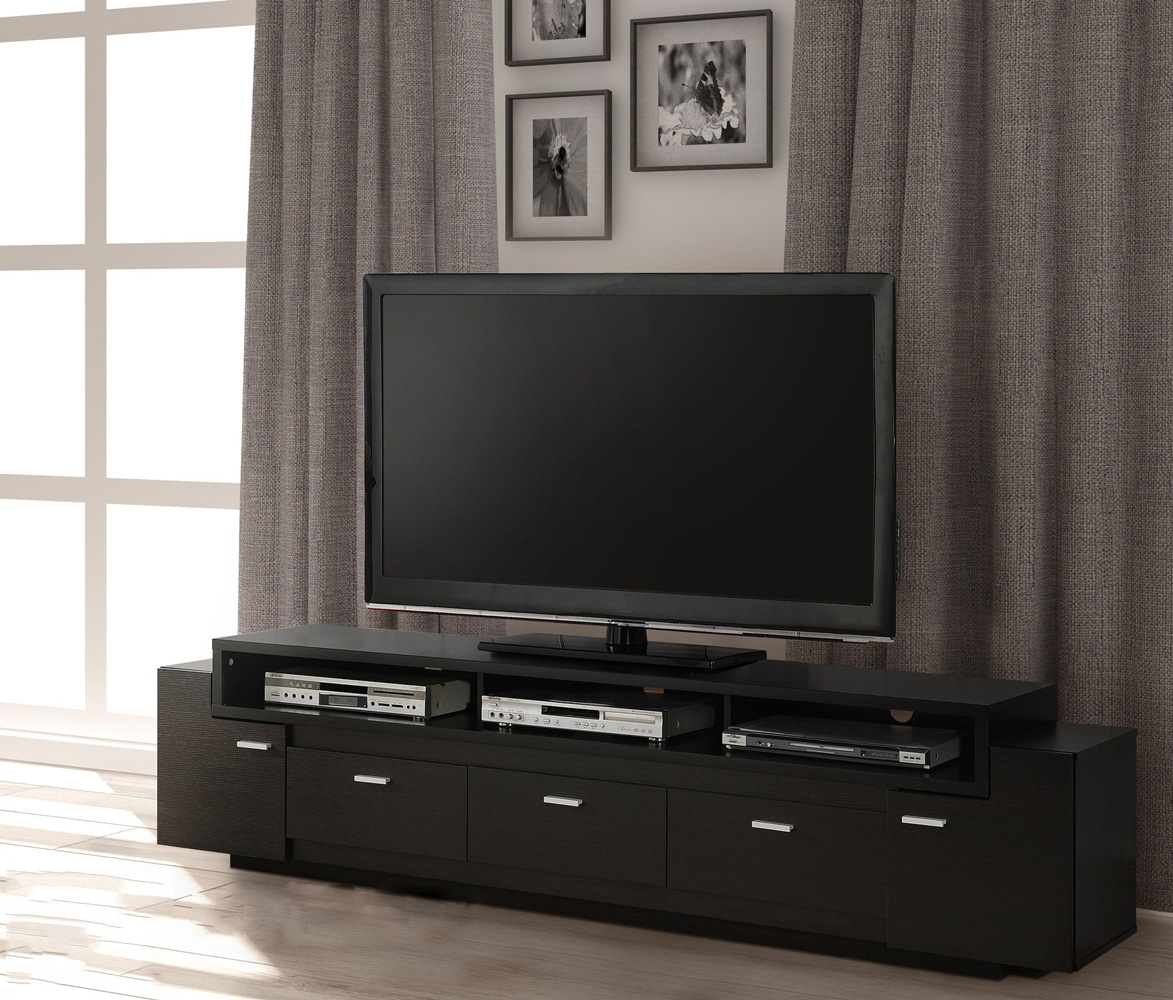
Real‑world scenario: I needed a media console that would hide a large projector screen while still allowing cable access. By working directly with a craftsman, we integrated concealed cable channels and a hidden panel—something off‑the‑shelf models simply couldn’t provide.
5. Verify the After‑Sales Support
When a component of my newly installed bedroom set started to loosen after a few months, the supplier’s prompt warranty service saved the day. Look for companies that offer clear warranty terms, on‑site repairs, and readily available spare parts. In Indonesia, firms like [CV. Luxury Home Furniture](https://www.luxuryhomefurniture.co.id) have built a reputation for responsive after‑sales teams, which is a reassuring safety net for high‑value items.
Why it matters: Even the best materials can suffer from unforeseen stresses; reliable support turns a potential headache into a manageable inconvenience.
6. Keep the Long‑Term Vision in Mind
Luxury pieces are often heirloom‑quality, so think beyond immediate aesthetics. I once chose a minimalist brass lamp because it matched my current décor, only to realize later that the warm glow clashed with the cooler tones of my later‑added artwork. Selecting timeless finishes—such as brushed brass, matte black, or natural wood—provides flexibility as your interior style evolves.
Bottom line: A piece that feels adaptable today will stay relevant as your tastes shift tomorrow.
Mini Case: The Compact Home Office Upgrade
Scenario: Maya, a freelance graphic designer, works from a 12‑sqm apartment. She needed a desk that could hold a large monitor, sketchbooks, and a printer, yet still leave room for a yoga mat.
What I did: I recommended a custom teak desk with a built‑in pull‑out keyboard tray and a side cabinet that slides out for the printer. The desk’s legs were tapered to keep the footprint narrow, while the top could be extended for larger projects. After installation, Maya reported a 20‑minute reduction in daily setup time and praised the seamless transition between work and wellness routines.
Takeaway: Tailoring dimensions and functionality to a specific lifestyle eliminates the compromise between form and function.
Final Thoughts
Choosing luxury furniture isn’t about chasing brand names; it’s about understanding material behavior, joinery quality, spatial fit, and the support you’ll receive down the road. When you blend these practical considerations with personal taste, the result is a living environment that feels both elegant and lived‑in.
If you’re ready to explore pieces that embody these principles, start the conversation with [CV. Luxury Home Furniture](https://www.luxuryhomefurniture.co.id). Their portfolio showcases the kind of tailored craftsmanship that can turn any house into a home you truly love.
Also Read: How to Choose the Perfect Teak Outdoor Set for Your Garden