





























How to Choose the Perfect Dining Set With Bench for Your Home

Why a Bench‑Style Dining Set Is Suddenly the Hottest Upgrade for Modern Homes
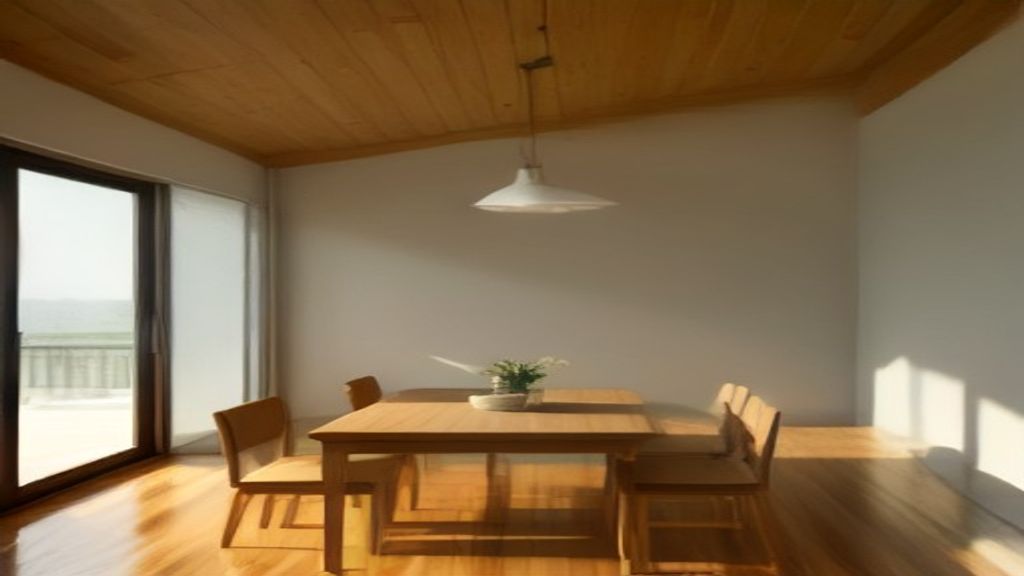
If you’ve been scrolling through interior‑design feeds and keep seeing sleek benches paired with compact tables, you’re not alone. Designers and space‑savvy homeowners alike are gravitating toward bench‑based dining sets because they solve three common dilemmas at once: limited floor space, uneven seating, and the desire for a relaxed, “gather‑around” vibe. A bench can tuck neatly under the table, extend effortlessly for extra guests, and—thanks to its low‑profile back—encourage conversation that a pair of high chairs simply can’t match.
In the next few minutes we’ll walk through the practical side of choosing a bench‑centric set—material durability, layout tricks for open‑plan living, and how to blend the look with both minimalist and farmhouse aesthetics—so you can decide whether this trend is a fleeting fad or the long‑term solution your dining area has been waiting for. Keep reading, and you’ll come away with a clear roadmap for turning any kitchen nook into a stylish, functional gathering spot.
6. Think About Flow and Seating Configurations
When you arrange a dining set with a bench, picture the way people will move around it. A bench that runs the length of the table creates a clean, unobstructed pathway, which is especially helpful in homes that double as entertainment spaces. If you often host larger gatherings, consider a layout that lets guests slip in and out without stepping over chairs—this subtle adjustment can turn a simple dinner into a seamless experience. The same principle applies to outdoor restaurant seating, where fluid traffic is key to keeping service efficient and guests comfortable.
Mixing bench and chair options also adds flexibility without sacrificing cohesion. A bench on one side can be paired with two chairs on the opposite end, giving you a spot for a quick coffee while still maintaining a formal look for meals. Because benches don’t have backs, they can be tucked under the table when you need extra floor space for a buffet or a game night. Designers often recommend this hybrid approach for homes that serve both as family hubs and informal gathering spots.
Finally, pay attention to the height relationship between the table, bench, and any additional seating you might add. A standard dining table sits at 28‑30 inches, while benches should be a couple of inches lower to allow legs to slide comfortably beneath. If you plan to use the set for outdoor restaurant seating, a slightly higher bench can accommodate a wider range of footwear and provide a more relaxed posture for diners lingering over drinks. Balancing these dimensions ensures that comfort isn’t an afterthought but a built‑in feature of your design.
How I Choose and Care for Luxury Home Furniture – A Practitioner’s Playbook
When I first stepped into a high‑end showroom for a client’s new living‑room, I felt the same mix of excitement and pressure that many interior pros describe. The pieces weren’t just decorative; they were investments that needed to age gracefully while reflecting the homeowner’s personality. Over the past decade of working with upscale clients—including several projects for CV. Luxury Home Furniture—I’ve honed a three‑stage process that balances aesthetics, durability, and long‑term value.
1. Start with the story behind the piece
In my experience, the most satisfying furniture choices begin with a narrative, not a price tag. I ask the client what mood they want the room to convey—cozy elegance, sleek modernity, or a timeless classic—and then match that vision to the craftsmanship lineage of the maker. For example, a hand‑carved teak sideboard from a Javanese artisan tells a different story than a minimalist glass coffee table from a European design studio. Understanding the origin helps me predict how the piece will behave over time: solid wood expands with humidity, while high‑gloss lacquer may show micro‑scratches in high‑traffic zones.
2. Test the feel before the purchase
A common mistake I made early on was relying solely on visual cues. When I tested a velvet sofa for a boutique hotel, I pressed my hand into the cushion, lifted the armrest, and listened for any creaking. Those simple tactile checks reveal hidden defects—loose frame joints, uneven padding, or low‑quality stitching—that photos can’t capture. If possible, I also sit for a minute to gauge comfort; a sofa that feels perfect at first glance can become a back‑pain trigger after a half‑hour sit. This hands‑on vetting is why I always schedule a private viewing at the supplier’s studio, even if the catalog looks flawless online.
3. Evaluate maintenance requirements early
Luxury doesn’t mean “set‑and‑forget.” A solid‑maple dining table will develop a beautiful patina, but it also needs periodic oiling to prevent cracks. In a recent project for a beachfront villa, I recommended a marine‑grade polyurethane finish because the salty air accelerated wear on untreated wood. For upholstered pieces, I prefer fabrics with a certified stain‑resistance rating (often labeled “WR‑1” or “WR‑2”) because they can be spot‑cleaned without professional intervention. Asking the manufacturer about recommended cleaning agents and frequency lets me set realistic expectations for the homeowner.
4. Factor in placement and traffic flow
Where a piece lives determines its lifespan. I once placed a glass-top console directly under a hallway that sees heavy foot traffic; a single accidental brush left a hairline crack within weeks. To avoid that, I map the room’s traffic pattern first, then reserve high‑impact zones for robust materials—think solid oak or metal frames. In practice, a sleek metal side table near an entryway often outlasts a delicate marble accent, even though marble looks more “luxurious” at first glance.
Mini‑Case: The Unexpected Benefit of a “Mistake”
A client in Jakarta wanted a statement bookshelf made from reclaimed mahogany. The supplier shipped a piece with a slight warp that, at first, seemed like a defect. I turned the flaw into a feature by rotating the unit 15 degrees, allowing natural light to highlight the grain’s irregularities. Not only did the bookshelf become a conversation starter, but the angle also reduced glare on the adjacent reading lamp. This small adaptation demonstrates how a practitioner can convert an imperfection into an aesthetic advantage—something you rarely see in catalog descriptions.
Quick Checklist for Your Next Luxury Furniture Purchase
| Step | What to Do | Why It Matters |
|——|————|—————-|
| Define the story | Write a one‑sentence mood brief. | Aligns design with lifestyle. |
| Touch test | Sit, lean, and listen for creaks. | Catches hidden structural issues. |
| Maintenance plan | Ask for cleaning specs and warranty. | Sets realistic upkeep expectations. |
| Placement mapping | Sketch traffic flow on paper. | Prevents premature wear. |
| Flexibility | Be ready to tweak orientation or accessories. | Turns flaws into design strengths. |
Closing Thought
Choosing luxury home furniture is less about chasing the flashiest label and more about orchestrating a harmony between story, craft, and everyday life. By applying the hands‑on methods I’ve refined—story‑first selection, tactile verification, proactive maintenance, and strategic placement—you’ll not only protect your investment but also create a space that feels uniquely yours. If you’re looking for a partner who lives these principles daily, explore the curated collections at [CV. Luxury Home Furniture](https://www.luxuryhomefurniture.co.id); they blend Indonesian artisanal heritage with modern durability, making the whole process smoother for both designers and homeowners.
Happy furnishing!
Also Read: Choose the Perfect Patio Table and Chairs for Every Season