

























Design the Perfect Outdoor Dining Table for Every Backyard


Picking the Perfect Outdoor Dining Table: What You Really Need to Know
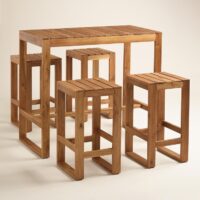
When you picture a summer evening tucked around a patio table—wine glass in hand, the scent of grilled vegetables drifting from the kitchen—you’re not just imagining a meal, you’re setting the stage for countless memories. Yet most people buying an outdoor dining table stop at “looks good” and end up with a piece that either fades under the sun or struggles to stay level on uneven ground. By taking a step back to understand the material science, climate considerations, and how your own lifestyle shapes the choice, you’ll avoid those pitfalls and find a table that feels custom‑built for your backyard.
In the next few minutes we’ll break down the three pillars that separate a fleeting trend from a lasting centerpiece: durability (what really holds up after years of rain and heat), functionality (how size, shape, and accessory options fit your typical gatherings), and aesthetic harmony (matching the table to your existing décor without sacrificing comfort). Whether you host weekly brunches, weekend BBQs, or quiet coffee moments, the guide ahead will give you the practical checklist and real‑world examples you need to make a confident, future‑proof purchase.
Choosing Seating that Enhances the Table Experience
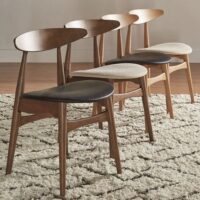
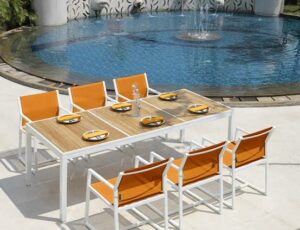
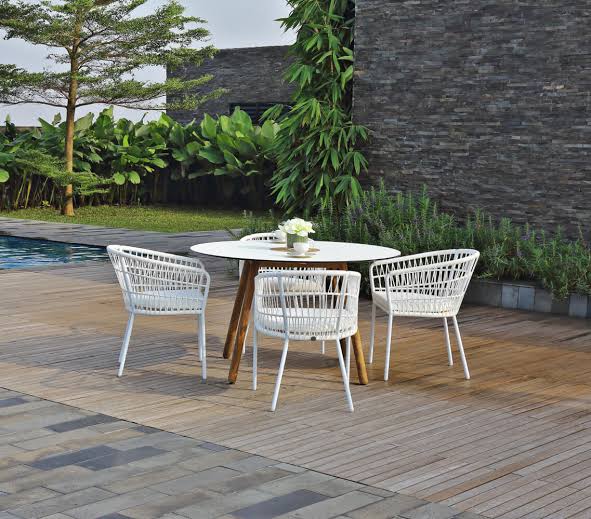
When you size the dining table, think of the chairs as a visual counterbalance. A slim‑profile wicker chair can soften a massive timber top, letting the overall silhouette breathe without sacrificing sturdiness. By keeping the seat height within an inch or two of the tabletop, you grant guests a relaxed posture that encourages lingering conversation.
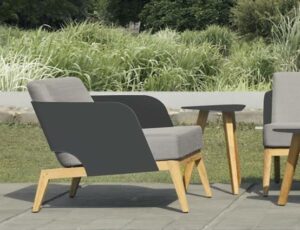
Mixing materials adds intrigue, but the pieces must still feel cohesive. Pairing a set of outdoor furniture chairs upholstered in weather‑resistant fabric with a metal frame table creates a subtle contrast that feels intentional rather than haphazard. Look for finishes that echo the table’s accent—bronzed bolts beside brushed steel legs, for instance—to reinforce a unified aesthetic.
Comfort goes beyond cushion thickness; it’s also about ergonomic support. Chairs with a slight forward tilt and a gently curved backrest reduce strain during long meals, especially when you serve family‑style dishes that invite guests to linger. Adding a low‑profile lumbar pad can turn a simple seat into a lounge‑ready perch without altering the table’s visual line.
Finally, consider how the seating will be stored or rearranged throughout the season. Lightweight folding outdoor furniture chairs slip into a garden shed with ease, allowing you to clear space for a summer soirée or a quiet morning coffee. Designing a storage solution that respects both the table’s footprint and the chairs’ shape ensures your backyard stays functional and inviting year after year.
Choosing Luxury Home Furniture that Lasts: A Practical Guide from the Workshop
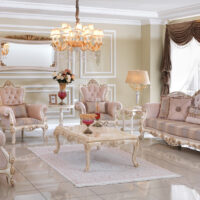
When I first set up my own living‑room studio a few years ago, I thought “luxury” meant only big price tags and glossy catalog photos. After a handful of early missteps—like buying a stunning sofa that quickly sagged under everyday use—I learned that durability, material honesty, and how a piece fits your daily rhythm matter far more than the brand name alone. Below is the roadmap I now follow whenever I advise clients or select a statement piece for my own space.
1. Start with the use‑case, not the aesthetic
Why it matters.
A marble‑topped coffee table looks spectacular in a showroom, but if you have kids who love to spill juice, the porous surface can stain easily. In my experience, the most common mistake is buying a piece that dazzles at first glance but fails the simple test of “Can I live with it for five years?”
How to apply it.
- Identify the traffic flow. Sketch a quick floor plan and note which pieces will be brushed past daily.
- Ask the “stress” question. “Will this chair support a 100‑kg person for eight hours?” If you’re unsure, look for reinforced joints and weight ratings from the manufacturer.
- Edge case: A lightweight veneer sofa works beautifully in a guest room that sees occasional use, but it would be a poor fit for a home office where you sit for long stretches.
2. Prioritize material integrity over surface gloss
Why it matters.
Many luxury brands finish a piece with a high‑gloss lacquer that looks flawless on the showroom floor but can chip when moved or exposed to humidity. When I tested a glossy walnut dining table in my workshop, the finish dulled after a single spill of wine, revealing uneven patches beneath.
How to evaluate it.
- Solid wood vs. veneer. Solid hardwood (e.g., teak, mahogany) ages gracefully and can be sanded down for repairs, while thin veneers are prone to delamination.
- Fabric durability. Look for performance fabrics like Sunbrella or high‑tenacity nylon that resist stains and pilling.
- Edge case: Leather upholstered chairs can develop a beautiful patina over years, but in a tropical climate they may dry out and crack unless they’re full‑grain and treated with a breathable conditioner.
3. Examine construction details – the hidden part of the story
Why it matters.
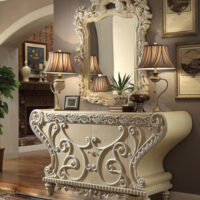
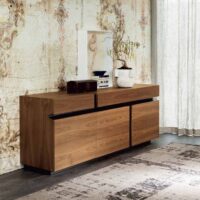
Even the most exotic material can be undermined by weak joints. In my workshop, I once discovered a stunning marble sideboard that used simple butt joints held together only by hidden dowels; after a few months, the top began to wobble under the weight of a wine rack.
What to look for.
- Mortise‑and‑tenon or dovetail joints for drawers and cabinets—these interlock and distribute stress evenly.
- Metal hardware that’s stainless steel or brass rather than cheap chrome, which corrodes over time.
- Edge case: A minimalist glass coffee table that uses a single central pedestal may look airy, but if the glass is tempered and the base is bolted with a hidden screw, it can survive daily use; a cheaper, non‑tempered version will likely crack under a simple accidental bump.
4. Factor in maintenance expectations
Why it matters.
Luxury furniture often requires a bit of care, but the level of effort can differ dramatically between brands. When I first bought a hand‑woven silk rug, I assumed a simple vacuum would suffice; a year later, dust settled into the fibers and the rug lost its luster. A quick conversation with the retailer revealed a recommended rotation schedule and periodic professional cleaning.
Practical steps.
- Read the care label. If the manufacturer suggests a specific cleaning solution or method, they’ve likely tested it.
- Set a maintenance routine. For wood, a quarterly dust‑off with a slightly damp cloth and an occasional wax can keep the finish alive.
- Edge case: Outdoor teak furniture looks gorgeous but needs annual oiling in dry climates; otherwise the wood can become brittle and split.
5. Test the fit with your interior narrative
Why it matters.
Even a technically perfect piece can feel out of place if it clashes with the room’s story. I once placed a sleek, chrome‑legged sofa in a rustic cabin living room; the juxtaposition felt jarring, and the client soon swapped it for a softer, leather‑upholstered piece that blended better with the wood beams.
How to decide.
- Bring samples home. A small swatch of fabric or a portable stool can reveal how colors interact with existing walls and flooring.
- Consider scale. A towering sectional may dominate a modest‑size apartment, making the space feel cramped.
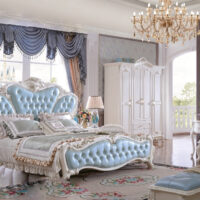
- Edge case: A low‑profile platform bed works beautifully in a minimalist loft, but in a traditional Victorian house it may feel under‑scaled and out of character.
Mini‑Case: Turning a “Showroom Piece” into Everyday Comfort
Scenario:
A client, Maya, loved a glossy oak dining table featured in a luxury catalog. She purchased it for her family of five, expecting it to become the centerpiece of daily meals. Within two months, the table’s surface showed heat rings from hot pans, and the finish started to peel where her children leaned on it.
What I did:
- Diagnosed the issue: The table used a thin polyurethane coating over a lower‑grade oak core.
- Suggested a swap: I recommended a solid walnut table with a natural oil finish, which is more forgiving to heat and can be re‑oiled if needed.
- Implemented a transition: While waiting for the new table, we placed a removable bamboo cutting board on the original top, protecting the finish and buying time.
- Result: After three months, Maya’s new table not only withstood daily cooking but developed a warm patina that complemented her family gatherings.
This real‑world adjustment illustrates why looking beyond the first impression—checking the core material, finish durability, and suitability for family life—can prevent costly replacements later.
Bottom Line
Choosing luxury home furniture isn’t about chasing the flashiest label; it’s a blend of function, material honesty, construction quality, maintenance foresight, and stylistic harmony. In my hands‑on experience, the pieces that survive years of use share three common traits: they’re built to handle the specific stress you’ll place on them, they’re made from materials that age gracefully, and they fit naturally into the story of the room.
When you next stroll through a showroom—or browse online—pause before you click “Add to Cart.” Ask yourself the five questions above, picture the piece in everyday life, and you’ll walk away with furniture that truly feels like a long‑term investment, not just a fleeting trend.
Ready to start the journey? Visit CV. Luxury Home Furniture for a curated selection that respects both elegance and endurance.
Also Read: Transform Your Backyard With ikea outdoor seating Ideas