



























Choosing the Perfect Table and Chairs for Outside Entertaining


When you pull out a chair and set a plate on your patio table, you’re not just arranging a meal—you’re creating a little outdoor oasis that can withstand everything from blazing sun to sudden rain. That’s why choosing the right table‑and‑chair set isn’t just a style decision; it’s a blend of material science, comfort engineering, and a dash of personal taste. In the next few minutes you’ll discover which woods, metals, and synthetics truly hold up under real‑world weather, how to gauge ergonomic comfort without spending a fortune, and the subtle design cues that make a set feel both modern and welcoming. Stick around, and you’ll walk away with a clear roadmap for picking the perfect outdoor dining set—one that looks great, lasts long, and turns every backyard brunch into a celebration.
Balancing Aesthetic and Practicality
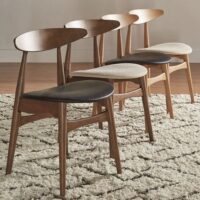
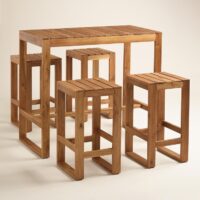
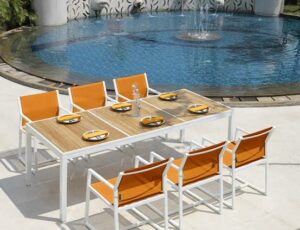
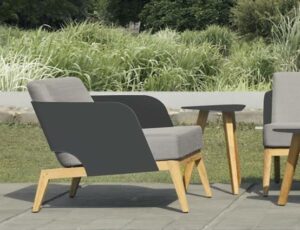
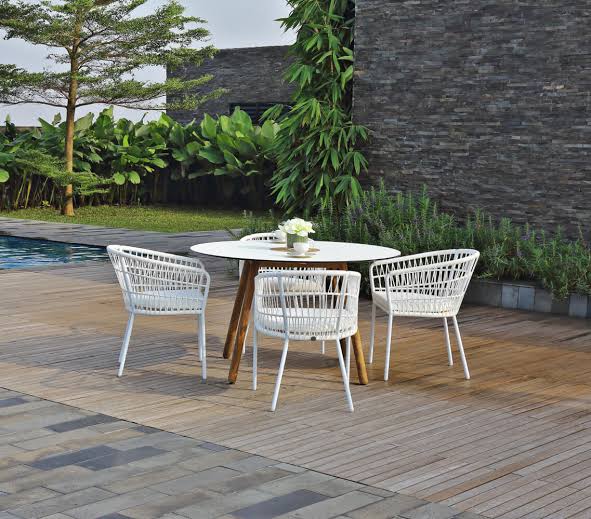
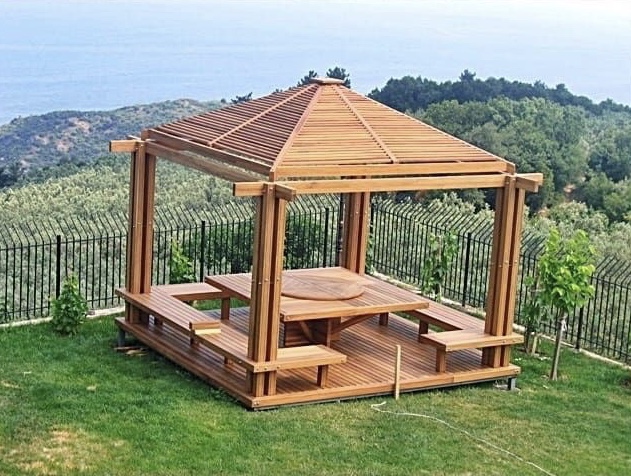
When you think about the vibe you want for your patio, start with the overall silhouette. A sleek, low‑profile teak outdoor set naturally draws the eye toward the surrounding garden, while a set of outdoor table chairs with gentle curves can soften a more angular layout. Pairing the two lets you keep a clean line without sacrificing the cozy feel that guests crave.
Beyond looks, comfort dictates how long your gathering will last. Opt for chairs that offer lumbar support and breathable fabrics—features that keep people relaxed even as the sun climbs higher. By choosing pieces that complement each other’s design language, you create a seamless transition from dinner to after‑hours drinks, and the space feels intentionally curated rather than assembled piecemeal.
How I Choose Luxury Home Furniture – A Practical Guide from the Workshop Floor
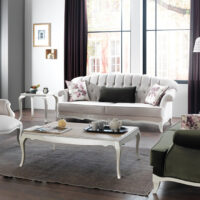
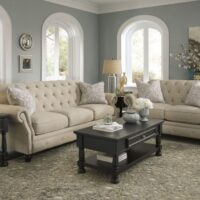
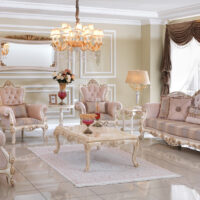
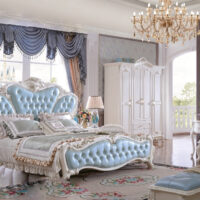
When I’m hired to furnish a high‑end residential project, the decisions I make aren’t just about style; they’re about durability, comfort, and the long‑term relationship between a piece and the people who live with it. Below is the step‑by‑step checklist I’ve refined over years of hands‑on work, illustrated with a real‑world scenario that shows exactly how the process unfolds. If you’re curious about a reliable partner, you’ll find a solid option at [CV. Luxury Home Furniture](https://www.luxuryhomefurniture.co.id).
1. Start with the “Why” – Define the Purpose First
Why does the piece matter?
A sofa in a family lounge must tolerate daily wear, while a display cabinet in a formal dining room is judged more on visual impact than on foot traffic. In my experience, clarifying purpose early eliminates costly redesigns later on.
Edge case: When a client wants a statement armchair that also serves as a reading perch, I look for a hybrid of reinforced frame (for longevity) and plush cushioning (for comfort). It’s a trade‑off: a heavier frame adds weight, but it pays off in years of use.
2. Material Matters – Look Beyond the Surface
Wood: Solid hardwood (e.g., teak, walnut) offers natural resilience and ages gracefully, but it’s heavier and more expensive than engineered boards. I usually recommend hardwood for anchoring pieces—like a dining table that will carry heavy platters for years.
Upholstery: Natural fibers such as linen and wool breathe, reducing static and extending the life of the fabric. However, they can stain more easily than high‑performance synthetics. In practice, I specify a protective finish for families with children, a small extra cost that saves months of cleaning later.
Metal & Glass: These elements give a modern edge but can feel cold. Pairing them with wood or leather softens the aesthetic while retaining structural strength.
3. Craftsmanship – The Hidden Value
A piece that looks perfect on the showroom floor can betray hidden flaws—loose joinery, uneven seams, or rushed finishing. I always:
- Inspect the joints – Dovetail and mortise‑and‑tenon connections signal lasting construction.
- Check finish consistency – A uniform sheen indicates thorough sanding and proper sealing.
- Feel the weight – A well‑built sofa feels solid; a “light” one often means a weaker frame.
In a recent project, a client loved a minimalist glass‑top coffee table but discovered after delivery that the underlying steel support was only thin‑gauge. I returned it, negotiated a sturdier base, and the couple now enjoys a table that truly endures daily coffee spills.
4. Service Experience – From Quote to Installation
Luxury furniture isn’t just a product; it’s a service. In my practice, I assess three pillars:
- Responsiveness: How quickly does the supplier reply to design tweaks?
- Customization: Can they adjust dimensions, finishes, or hardware on short notice?
- Installation care: Are the installers trained to handle delicate items without scratching surfaces?
When I partnered with CV. Luxury Home Furniture, their team delivered a detailed 3‑dimensional layout within 48 hours, helped us tweak leg height for a high‑ceiling loft, and scheduled a weekend installation that left the floor spotless. That kind of attention reduces stress for the homeowner and protects the investment.
5. After‑Sales – The Real Test of Luxury
A sturdy warranty (typically 3–5 years for structural components) is a baseline. In my experience, the most telling sign of a trustworthy maker is how they handle the inevitable “small‑issue” calls—like a loose drawer pull after a few months. A prompt, no‑charge service call shows the brand stands behind its promise.
Mini Case: Turning a Chaotic Living Room into a Cohesive Retreat
Client: A young couple renovating a 300 sq ft living room in Jakarta.
Goal: Blend contemporary minimalism with a hint of traditional warmth.
Process:
- Purpose definition: The sofa needed to seat four, support occasional yoga, and hide a TV stand.
- Material selection: I chose a walnut frame for its warm tone, paired with a high‑performance linen‑cotton blend that resists stains.
- Craftsmanship check: The supplier’s sample featured dovetail joinery and a hand‑finished veneer—signs of durability.
- Service coordination: We requested a custom‑size sofa (2.9 m wide) and a matching ottoman; the vendor provided 3‑D renderings and coordinated delivery on the same day as the new flooring installation.
- Result: The couple now enjoys a lounge that feels both sleek and welcoming. The sofa’s reinforced springs have held up through weekly yoga sessions, and the protective fabric finish has kept it looking fresh despite occasional pet hair.
The key takeaway? When you align purpose, material, and craftsmanship—and partner with a vendor that backs every step with responsive service, the final space feels purposeful, not just pretty.
6. Quick Checklist for Your Next Luxury Furniture Purchase
| ✅ | Item | Why It Matters |
|—|——|—————-|
| 1 | Define purpose (family use vs. statement piece) | Prevents mismatched expectations |
| 2 | Verify material origin (solid wood vs. veneer) | Influences longevity and feel |
| 3 | Inspect joinery (dovetail, mortise‑and‑tenon) | Indicates structural integrity |
| 4 | Assess finish uniformity | Prevents premature wear |
| 5 | Confirm warranty & after‑sales service | Reduces future hassle |
| 6 | Test vendor responsiveness | Reflects overall project smoothness |
Final Thought
Choosing luxury furniture is a dialogue between design aspiration and everyday reality. By asking the right “why” questions, inspecting the hidden details, and working with a responsive partner—such as CV. Luxury Home Furniture—you transform a room from a collection of objects into a lived‑in masterpiece. The next time you walk into a showroom, remember: the true luxury lies not only in the look but in the confidence that the piece will serve you gracefully for years to come.
Also Read: Choosing the Perfect Outdoor Table Chairs for Comfort and Style