
































How to Choose the Perfect Teak Outdoor Set for Your Garden


Why a teak outdoor set might be the best decision you make this season
If you’ve ever stared at a patio that feels more “just a lawn” than a living room, you know the difference a quality furniture set can make. Teak outdoor sets stand out because the wood’s natural oils act like a built‑in raincoat—resisting water, insects, and the harsh UV rays that turn cheaper woods gray and brittle. Designers and seasoned landscapers often recommend teak for its blend of durability, timeless grain, and the way it ages into a beautiful silver‑gray patina that only adds character.
What you’ll learn in the next few minutes
We’ll walk through the key reasons teak outperforms synthetic alternatives, how to spot genuine, sustainably sourced boards, and the simple maintenance routine that keeps your set looking fresh for years. Whether you’re furnishing a compact balcony or a sprawling garden, the insights below will help you choose a teak set that matches your style, budget, and climate—so you can start enjoying outdoor living without second‑guessing your purchase.
Stick around; the next sections reveal the practical checklist and insider tips that turn a pricey investment into a lasting centerpiece for your outdoors.
4. Match the Set to Your Garden’s Flow
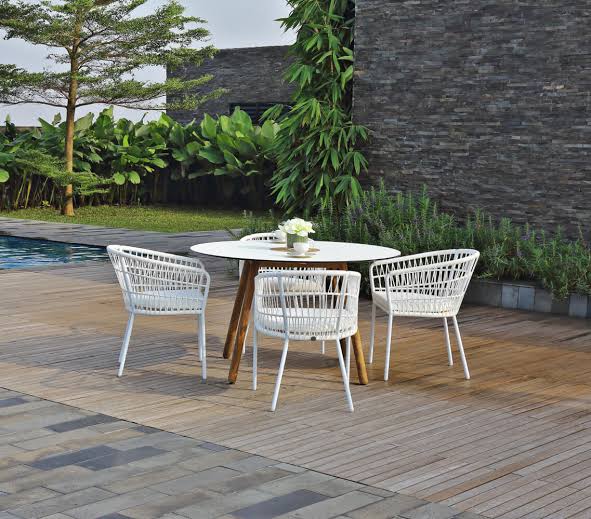
Think about how people move through the space. If a winding path leads to a sunny corner, place an outdoor table and chairs there so the layout feels intentional rather than tacked on. A compact arrangement works well near a pergola, while a larger configuration can anchor an open lawn without overwhelming it. Remember that the set should invite traffic rather than block it, creating a natural pause point for conversation or a quiet cup of tea.
5. Prioritize Comfort Without Sacrificing Style
Even the most beautiful teak frame loses its appeal if the sitting experience is stiff. Cushioned outdoor chairs add a layer of relaxation that encourages longer stays, especially on cooler evenings. Choose fabrics that breathe yet resist water, so the cushions stay fresh after a summer rain. By blending ergonomic padding with the wood’s sleek lines, you get a set that feels as good as it looks.
Choosing Luxury Home Furniture — What I’ve Learned From Working With High‑End Clients
When I first started designing spaces for affluent homeowners, I thought “luxury” meant simply buying the most expensive pieces. A few months later, after a client’s sofa sagged under a modest weight, I realized the real hallmark of luxury furniture is durability, provenance, and how well the piece integrates with a lived‑in lifestyle. Below, I share the practical framework I now use when recommending premium furniture, and I’ll walk you through a real‑world scenario that illustrates each step.
1. Start With the Client’s Narrative, Not the Catalog
In my experience, every successful furniture selection begins with a story. Ask the client how they use the room: Do they host weekly dinner parties? Do they love curling up with a book after work? These answers dictate the required load‑bearing capacity, upholstery wear‑resistance, and even the optimal armrest height. A common mistake early on was to match a beautiful marble coffee table with a client who spills wine daily; the table looked stunning but required constant polishing and eventually stained.
> Mini‑case:
> Maria, a Jakarta entrepreneur, wanted a grand dining room for client meetings. She loved the sleek sheen of a glass top table, but after we measured the traffic and the weight of her 120‑kg conference table, we opted for a solid‑wood base with a tempered‑glass surface. The result? A striking centerpiece that withstands daily use without a single visible scratch after six months.
2. Prioritise Material Transparency
Luxury manufacturers often highlight exotic woods, hand‑stitched leather, or hand‑blown glass—terms that sound impressive but can mask hidden compromises. When I evaluate a piece, I verify the source: is the teak certified by the Forest Stewardship Council (FSC)? Is the leather vegetable‑tanned, allowing it to age gracefully? These details matter because they affect longevity, maintenance, and the environmental story you’ll tell guests.
If a brand can’t provide clear documentation, I flag the item. Even a “luxury” label can’t excuse a veneer that peels after a few seasons. A reputable supplier, such as CV. Luxury Home Furniture, typically offers a material dossier alongside each model, which helps both designers and homeowners make informed decisions.
3. Test the Construction, Not Just the Finish
A glossy veneer may catch the eye, but the underlying joint system determines whether a chair will survive a lively family gathering. I habitually inspect the joinery: dovetail, mortise‑and‑tenon, or reinforced metal brackets are signs of structural integrity. When I first tested a popular Scandinavian line, the legs were attached with cheap dowels; the chair wobbled after just a few minutes of sitting. Switching to a piece with a steel‑reinforced frame solved the issue, and the client appreciated the subtle, invisible support.
4. Consider the Room’s Light and Scale
Luxurious spaces often rely on natural light to showcase texture. If a room receives strong morning sun, a light‑colored upholstery may fade faster than a darker hue. Conversely, a low‑light lounge benefits from reflective surfaces—high‑gloss lacquer or polished metal—to bounce light and prevent the space from feeling cavernous.
I once worked on a peninsula villa where the living room faced east, bathing the sofa in bright sunlight. Instead of a cream‑colored linen, we chose a deep navy velvet that actually deepened in color over time, creating a richer ambience while resisting UV‑induced wear.
5. Balance Aesthetic Trends With Timelessness
Design trends shift, but a truly luxurious piece should remain appealing beyond the next Instagram wave. I guide clients to anchor their interiors with classic silhouettes—think a Chesterfield sofa or a mid‑century teak credenza—then layer seasonal accents like patterned throw pillows or metallic side tables. This approach ensures the core furniture remains valuable and functional, even if décor trends evolve.
A mistake I made early on was to fill a room entirely with “trendy” items; the space quickly felt dated. After re‑introducing a timeless, hand‑crafted armchair from CV. Luxury Home Furniture, the room instantly regained a sense of permanence and elegance.
6. Validate the After‑Sales Service
Luxury isn’t just about the purchase; it’s the support that follows. A reputable dealer will offer a clear warranty, repair options, and maintenance advice. When I asked a high‑end retailer about their warranty on a custom walnut dining set, they outlined a five‑year coverage that included re‑finishing—a service I’ve seen save clients from costly refurbishments.
7. Factor in Logistics and Installation
Even the most exquisite furniture can lose its charm if delivered poorly. I always verify the company’s logistics plan: Do they provide white‑glove delivery? Will they assemble the pieces on‑site? A recent project in Surabaya required a massive, hand‑carved screen. Because CV. Luxury Home Furniture handled the crate, transport, and final placement, the screen arrived intact and aligned perfectly with the client’s wall niche—saving weeks of potential rework.
The Practical Checklist I Use With Every Client
| Step | What I Ask/Do | Why It Matters |
|———-|——————-|——————–|
| 1️⃣ Narrative | “How will you use this piece?” | Aligns function with style |
| 2️⃣ Material Docs | Request FSC or leather certification | Guarantees authenticity & durability |
| 3️⃣ Construction Test | Inspect joints, load‑test chairs | Prevents premature failure |
| 4️⃣ Light & Scale | Measure window direction, room dimensions | Ensures visual harmony |
| 5️⃣ Timeless Core | Choose classic silhouettes first | Future‑proofs the space |
| 6️⃣ After‑Sales | Confirm warranty & repair policy | Protects investment |
| 7️⃣ Logistics | Verify white‑glove delivery | Avoids damage & costly errors |
Closing Thoughts
Selecting luxury furniture is part science, part storytelling. When you blend a client’s daily rhythms with rigorous material checks, thoughtful construction evaluation, and a reliable supplier like [CV. Luxury Home Furniture](https://www.luxuryhomefurniture.co.id), the result is a space that feels both opulent and lived‑in. From my own trial‑and‑error journey, the most rewarding projects are those where the furniture not only looks extraordinary but also endures the quirks of everyday life.
If you’re ready to transform a room into a lasting statement of elegance, start by asking “what does this space need to do?” rather than “what looks expensive.” That shift in mindset will guide you to pieces that truly embody luxury—beauty, durability, and a story worth sharing.
Also Read: Choosing the Best Foldable Lawn Chairs for Comfort and Portability