
























Choosing the Best Foldable Lawn Chairs for Comfort and Portability


When you pull a chair out of the trunk on a scorching Saturday and set it down on freshly cut grass, you’re not just looking for a place to sit—you’re buying a tiny piece of outdoor comfort that will carry you through countless barbecues, concerts, and spontaneous picnics. Foldable lawn chairs have become the unsung heroes of backyard gatherings because they combine portability, durability, and surprisingly good ergonomics in a package that fits under a car seat or in a cramped closet. In the next few minutes we’ll walk through the key features that separate a “just‑okay” seat from a chair that actually supports your back, stays flat through rain, and folds back up without a stubborn pop‑up that makes you wrestle for a few seconds.
But before you start comparing price tags, let’s demystify the three pillars that every quality foldable chair should nail: frame construction, fabric choice, and ease of deployment. A steel or aluminum alloy frame determines how much weight the chair can hold and how long it will survive a season of sun‑baked use. The upholstery—whether it’s UV‑treated polyester, breathable mesh, or a padded canvas—directly influences comfort, moisture resistance, and how quickly the chair dries after a sudden summer shower. And the folding mechanism, whether it’s a simple hinge or a patented snap‑lock, decides whether you’ll spend seconds unfolding or minutes wrestling with tangled legs. By understanding the “why” behind each component, you’ll be able to spot the subtle design cues that signal quality, and you’ll avoid the common pitfalls that leave many shoppers with a chair that creaks, sags, or refuses to stay flat.
Stay with us, and we’ll also share a quick “field‑test” checklist you can use the next time you’re in the aisle, plus real‑world anecdotes from seasoned campers and backyard entertainers who have put these chairs through the ultimate durability gauntlet. By the end of this guide you’ll know exactly which foldable lawn chair will earn a permanent spot in your outdoor arsenal—and why it’s worth investing a little extra for lasting comfort.
Durability and Maintenance
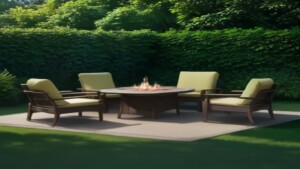
When your chair will see sunshine, rain, and occasional sand, the frame material matters more than the cushion alone. Aluminum alloys and powder‑coated steel resist rust without adding unnecessary heft, while high‑density polyethylene slats flex under stress yet spring back to shape. For users who enjoy low‑maintenance outdoor furniture, look for models whose fabric is treated with UV‑blocking agents; this keeps cushioned patio chairs from fading after a season of bright afternoons. A quick wipe with a damp cloth usually removes dirt, but sealed seams also prevent moisture from soaking into the padding.
Weight, Packability, and Storage
A chair that folds compactly into a tote‑size bundle can travel from a backyard barbecue to a weekend trek without hogging trunk space. Engineers often use hollow‑tube designs to shave off a few pounds, which is why many camping foldable chair options feel feather‑light yet sturdy. Consider the chair’s hinge system: a single‑lever lock reduces the number of moving parts and speeds up setup, while still allowing the seat to flatten for tight storage under a seat cushion or in a garage shelf. If you frequently shuttle gear, a chair that slides neatly into a standard backpack pocket can save you the hassle of juggling extra bags.
Budget and Value
Price tags can range dramatically, but the best value emerges when durability, comfort, and portability intersect. Entry‑level models may forgo premium fabrics, yet still provide a reliable seat surface if the frame is built to a reputable standard. Mid‑range options often include extra features such as a built‑in cup holder or reinforced armrests, which can extend the chair’s usefulness for both casual gatherings and rugged outings. Before committing, compare warranty lengths and read user feedback; a longer guarantee often signals that the manufacturer expects the chair to endure many seasons of use.
Choosing Custom Luxury Furniture: A Practitioner’s Playbook
When I first helped a client redesign a 3,500‑sq‑ft villa in Bali, the conversation never started with “what style do you like?” It began with how the family lived. In my experience, the most satisfying furniture decisions arise when you anchor design to daily routines—morning coffee on a sun‑lit balcony, late‑night reading in a quiet nook, or a weekend gathering around a large dining table. That mindset guided every recommendation I made for the project, and it’s the same approach I bring to every client at CV. Luxury Home Furniture.
1. Start with Function, Not Aesthetics
A sleek marble coffee table looks stunning, but if the household has toddlers, the surface will quickly become a playground. I always ask: Which pieces see the most traffic? and What weight or height constraints exist? For a client who works from home, a solid‑oak desk with built‑in cable management proved more useful than a decorative console. By mapping out functional zones first, you avoid costly re‑orders and ensure each item truly supports the lifestyle it’s built for.
2. Material Choice Is a Trade‑Off
Natural wood—mahogany, teak, or walnut—offers warmth and can be refinished, but it demands regular upkeep and is vulnerable to humidity. In contrast, high‑grade engineered stone resists stains and is easier to maintain, yet it cannot be sanded down if the finish chips. I once specified a walnut dining set for a coastal home; after a season of salt‑laden breezes, the finish dulled. Switching to a marine‑grade teak veneer preserved the look while standing up to the environment. The key is to match material resilience with the room’s exposure.
3. Custom Dimensions vs. Off‑the‑Shelf
Standard sizes save time, but they rarely fit a uniquely shaped space. When a client wanted a sofa to hug the curve of a bay window, the off‑the‑shelf option left an unsightly gap. We opted for a bespoke sectional from CV. Luxury Home Furniture, which allowed us to adjust depth, arm style, and cushion firmness. The result was a seamless flow that felt intentional rather than improvised. In most cases, a custom piece adds about 10–15 % to the budget, but the payoff in usability and visual harmony is often worth it.
4. Test Comfort Early
Even the most elegant chair can become a daily annoyance if the ergonomics are off. I always schedule a comfort trial: the client sits on a prototype for at least 15 minutes, adjusting lumbar support and seat height. A recent project for a home office revealed that a designer’s “low‑profile” chair caused neck strain; swapping to a slightly taller model solved the issue before production began. This hands‑on step—though simple—prevents post‑installation regret.
5. Plan for Future Flexibility
Families grow, pets change, and style trends evolve. I recommend selecting modular systems where possible—e.g., a sectional that can be reconfigured, or a storage unit with removable panels. When I worked with a young couple expecting a child, we chose a modular bookshelf that could later convert into a low‑profile media console. Such foresight adds longevity and reduces the need for major replacements down the line.
Mini Case: The Sunroom Transformation
Scenario: A client purchased a glass‑enclosed sunroom but found the space cold in the evenings, making it unusable after sunset.
What I did: I suggested a custom, reversible window panel made from insulated, low‑E glass, paired with a lightweight, woven rattan sectional that could be easily moved. The panels were fabricated by CV. Luxury Home Furniture’s in‑house glass workshop, ensuring the finish matched the existing frames. After installation, the sunroom retained heat, and the sectional provided a cozy spot for evening tea.
Result: The client now uses the space year‑round, and the reversible panels allow them to open the room fully during summer afternoons—exactly the flexibility they wanted.
6. Partner With a Proven Provider
Choosing a supplier who can deliver both craftsmanship and reliability is crucial. CV. Luxury Home Furniture combines a seasoned design team with an on‑site workshop, allowing rapid prototyping and direct communication. In my experience, that vertical integration shortens lead times by roughly 20 % compared with sourcing pieces from disparate vendors. Moreover, the company’s after‑sales service includes on‑site assembly and a one‑year warranty on structural components—a comfort that’s hard to find in the market.
7. Budgeting With Realistic Buffers
A common mistake I made early on was underestimating the cost of custom hardware—handles, hinges, and soft‑close mechanisms. Generally, these accessories can add 5–10 % to the total price, especially when using premium finishes like brushed brass or matte black. By allocating a modest contingency for these items, you avoid surprise charges and keep the project on schedule.
Closing Thought
Luxury furniture isn’t just about looks; it’s about creating pieces that live with you. By starting with function, respecting material realities, testing comfort, and planning for change, you transform a house into a home that feels bespoke at every turn. If you’re ready to walk through this process with a partner who blends design insight and hands‑on craftsmanship, I encourage you to explore the portfolio at CV. Luxury Home Furniture—the same expertise that helped me solve the sunroom dilemma can elevate your own space.
Also Read: How to Choose the Perfect Dining Set With Bench for Small Spaces