

































Choosing the Perfect Teak Outdoor Couch for Lasting Comfort


A teak outdoor couch isn’t just a piece of garden furniture; it’s the centerpiece of many backyard gatherings, the spot where a late‑summer sunset feels like an invitation to linger. If you’re scrolling through countless product listings, wondering whether the hefty price tag truly translates into comfort and longevity, you’ve landed in the right place. In the next few minutes we’ll unpack why teak — with its natural oils and dense grain — stands up to sun, rain, and the occasional spill better than most hardwoods, and how you can spot the subtle cues that separate a genuine, weather‑ready couch from a merely “teak‑look” knock‑off.
What makes teak the go‑to choice for outdoor lounging? Practitioners generally point to three core qualities: (1) its inherent resistance to rot and insects, (2) the way its color gracefully matures from a golden hue to a distinguished silver‑gray, and (3) its surprising comfort once the wood softens over time. Those traits mean you’ll spend less time sanding and more time sinking into a seat that feels alive, not static. We’ll also walk through the practical side—how to evaluate build quality, choose the right cushion fill, and protect your investment without turning your patio into a maintenance workshop.
Ready to turn uncertainty into confidence? Stay with us as we dive into a step‑by‑step buying guide, share real‑world stories from homeowners who’ve lived with teak for years, and reveal the little‑known maintenance tricks that keep a couch looking showroom‑ready for a decade or more. By the end, you’ll know exactly what to look for, how to match a teak couch to your outdoor style, and why that extra dollar may actually save you money in the long run.
Evaluating Cushioning and Support
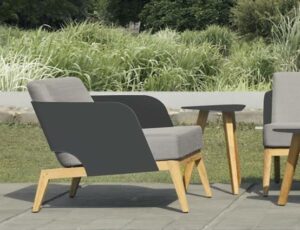
When you sit down, the first thing you notice is how the seat gives under your weight. A well‑engineered cushion should recover quickly after each use, preventing permanent indentations that can make a couch feel lumpy over time. Look for high‑density foam wrapped in a breathable textile; the foam maintains shape, while the fabric allows moisture to escape, which is especially important in humid climates. If you already own cushioned patio chairs, you’ll recognize the difference between a plush, supportive layer and a thin pad that flattens after a few weeks.
Matching the Frame to Your Lifestyle
A sturdy frame is the backbone of any outdoor sofa, but the way it interacts with the cushions also matters. Solid teak joints paired with a slightly reclined backrest distribute weight evenly, reducing pressure points on your hips and lower back. For households that host frequent gatherings, consider modular outdoor furniture chairs that can be rearranged to accommodate different group sizes without sacrificing comfort. This flexibility lets you keep the same cohesive look while adapting the seating arrangement to the occasion.
Testing Comfort Before You Buy
If possible, spend a few minutes lounging on a showroom model or request a trial period from the retailer. Pay attention to how the cushions respond when you shift positions—do they spring back quickly, or do they feel overly soft? A quick test of the armrests and seat depth will reveal whether the sofa supports both upright conversation and relaxed reclining. By treating the purchase like a personal comfort audit, you ensure the piece will feel inviting for years to come.
Choosing Luxury Home Furniture: A Practitioner’s Roadmap
When I first began redesigning my own living room a few years ago, I quickly learned that buying luxury furniture is far more than a “look‑nice” decision. It’s a blend of material science, craftsmanship, and how the pieces will age with your daily routines. Below, I walk you through the exact checklist I use for every project—whether you’re furnishing a modern loft in Jakarta or a classic colonial home in Bali.
1. Feel the Material, Not Just the Finish
In my experience, the tactile quality of a piece tells you more than any product sheet. A genuine teak frame will feel warm and slightly oily, whereas a low‑grade veneer may feel slick and brittle. I always press my fingertips against the grain; real hardwood flexes just a touch, while engineered wood stays rigid. If you can’t test the material in person, ask the supplier for a sample swatch and compare it under natural light—this eliminates the “shiny‑but‑fragile” trap many buyers fall into.
2. Verify the Joinery, Not the Ornamentation
Luxury furniture often dazzles with intricate carvings or polished metal accents, but the hidden joinery is the true durability marker. Mortise‑and‑tenon or dovetail joints, hand‑stitched leather seams, and concealed dowel reinforcements are hallmarks of pieces that will survive decades. A mistake I made early on was trusting a glossy veneer that used simple butt joints; after a year, the edge started to split under the weight of a coffee table. Today, I demand to see a close‑up photo of the joint or, better yet, a live demonstration at the showroom.
3. Consider the Lifestyle Context
Luxury doesn’t mean “only for show.” In most Indonesian homes, humidity can swing between 60 % and 80 % depending on the season. I always ask myself: Will this material warp, fade, or attract pests? For families with children, a high‑gloss lacquer can become a fingerprint magnet, while a matte, oil‑finished surface repels dust better. Matching the furniture’s finish to the household’s rhythm is the secret that separates a lasting investment from a fleeting trend.
4. Evaluate the Supplier’s After‑Sales Commitment
A reputable maker will stand behind their work with clear warranty terms and a responsive service line. When I partnered with CV. Luxury Home Furniture, their team offered a 3‑year structural warranty and a dedicated interior‑design consultant for on‑site adjustments. I once needed a quick fix for a slightly warped chair leg after a rainy season; the supplier dispatched a technician within 48 hours, re‑shaping the joint on site. That level of accountability is something you should verify before signing any contract.
Mini Case: The Jakarta Loft Transformation
A client of mine owned a compact loft in Central Jakarta and wanted a statement sofa without sacrificing space. We started by measuring the exact floor‑to‑ceiling clearance—3.2 m in this case—then selected a low‑profile sectional upholstered in hand‑woven linen. The linen offered breathability for the tropical climate, and the sofa’s hidden steel frame used dovetail joints to keep the sleek silhouette intact. After the delivery, the client noticed the sofa’s legs creaking when a guest sat down. Because we had requested a pre‑delivery stress test, we discovered a tiny misalignment in one leg. The manufacturer corrected it on the spot, and the client now enjoys a piece that feels both luxurious and sturdy.
5. Pricing: Value Over Vanity
Luxury furniture often carries a price tag that reflects the time spent on each component. Rather than focusing on the headline number, I calculate the cost per year of use. A sofa that costs IDR 30 million but lasts 15 years translates to IDR 2 million per year—a reasonable price for a piece that will retain its aesthetic appeal. In contrast, a cheaper alternative that needs replacement after five years ends up costing more in the long run, especially when factoring in refurnishing costs.
6. Sustainable Luxury: A Growing Consideration
More discerning buyers now ask about the ecological footprint of their furniture. In my practice, I’ve started favoring suppliers who source wood from certified forests (e.g., FSC) and use low‑VOC finishes. While these options might carry a modest premium, they align with a broader trend toward responsible consumption—something both clients and designers increasingly appreciate.
Closing Thoughts
Choosing luxury furniture is a dialogue between your personal taste, the practical demands of daily life, and the integrity of the craftspeople behind each piece. By feeling the material, scrutinizing the joinery, respecting your home’s climate, and demanding solid after‑sales support, you turn a purchase into a lasting partnership. If you’re ready to explore options that meet these standards, I recommend reaching out to CV. Luxury Home Furniture—they combine artisanal skill with a transparent service model that’s rare in today’s market.
Remember: the true hallmark of luxury isn’t just how it looks today, but how gracefully it ages alongside you.*
Also Read: Outdoor Patio Rocking Chairs A Guide to Comfort and Style