


























Choosing the Perfect Outdoor Bar Stools for Comfort and Style


Finding the perfect outdoor bar stool is more than a quick furniture hunt – it’s about shaping a spot where sunrise coffee meets sunset cocktails. Whether you’re turning a modest balcony into a weekend retreat or outfitting a sprawling patio for summer gatherings, the right stool balances weather‑proof durability with the kind of comfort that makes guests linger a little longer. In the next few minutes we’ll unpack the three material families that actually stand up to rain, heat and the occasional spilled drink, explain how seat height and back‑rest design affect posture (yes, there’s a science to that), and reveal the little‑known features—like UV‑inhibiting finishes and slip‑resistant foot caps—that separate a “just‑okay” purchase from a long‑lasting patio essential.
By the end of this guide you’ll be able to walk into any outdoor‑furniture aisle—or scroll through a retailer’s catalog—with confidence, knowing exactly which details matter for your space, budget, and style. Ready to sit down and start planning? Let’s dive in.
Mix and Match: Pairing Bar Stools with Other Outdoor Seating
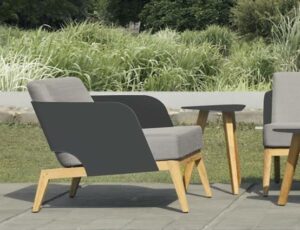
When you already own a set of outdoor lounge chairs, think of the bar stool as the missing puzzle piece rather than a stand‑alone item. A stool that mirrors the material or accent color of your lounge chairs will create visual harmony without demanding an exact match. For example, a wicker‑capped stool beside a teak lounge chair feels intentional, while still allowing each piece to retain its own personality.
If space is at a premium, consider adding a pair of outdoor folding chairs that tuck neatly under the table when the party winds down. Folding chairs bring the convenience of extra seating without cluttering the patio, and they can be stored in a discreet bench or wall niche. Choosing stools with a modest footprint ensures the folding chairs slide in and out smoothly, preserving both comfort and flow.
Beyond aesthetics, think about how people move around the area. A well‑placed stool offers a quick perch for a drink, while the lounge chairs invite guests to stretch out and linger. By arranging the pieces so that the stool acts as a transition between high‑top conversation and low‑key lounging, you encourage natural mingling. This layered approach makes the outdoor space feel curated rather than assembled piece by piece.
Finally, test the setup before committing to a purchase. Arrange the stool, lounge chairs, and folding chairs as you would on a typical evening and walk through the layout. Notice if anyone has to squeeze through tight gaps or if the flow feels cramped. Small adjustments—like rotating a chair or swapping a cushion—can turn a functional arrangement into a welcoming oasis.
How to Choose Luxury Furniture That Actually Works in Your Home
When I first started sourcing pieces for high‑end clients, I quickly learned that “luxury” isn’t just a price tag—it’s a combination of material integrity, craftsmanship, and how a piece lives in a lived‑in space. In the past few years I’ve helped families transition from a generic showroom look to rooms that feel both opulent and comfortably personal. Below is a step‑by‑step framework that reflects what I’ve seen work repeatedly, plus a quick real‑world snapshot to help you picture the process in action.
1. Start with the Material, Not the Brand
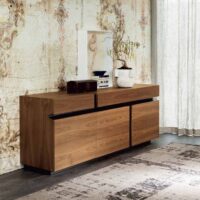
Luxury furniture often touts famous names, but the true differentiator is the raw material. Solid hardwoods such as walnut, oak, or mahogany age gracefully; they develop a patina that cheaper veneer can never replicate. When I inspected a reclaimed‑walnut credenza for a client, the deep grain and subtle nail‑hole imperfections confirmed it was hand‑finished, not merely “look‑alike” laminate. In most cases, a piece that feels dense and has a warm, natural scent will outlast a glossy, mass‑produced counterpart by decades.
2. Assess the Joinery – It’s the Hidden Backbone
A luxury label might use decorative hardware, but what really matters is how the parts fit together. Traditional dovetail or mortise‑and‑tenon joints signal long‑lasting stability. During a recent remodel, I discovered a sleek sofa frame that seemed flawless until I lifted the cushion—its wooden legs were glued rather than mortised, and a few weeks later the joints began to creak under daily use. Choosing items with visible, proven joinery protects you from premature sagging and costly repairs.
3. Consider the Room’s Scale and Flow
Even the most exquisite chandelier can feel out of place if it overwhelms the surrounding space. In my experience, the rule of thumb is that a furniture item should occupy roughly 30‑40 % of the wall length in a living area. For a compact city apartment, I once paired a low‑profile, hand‑stitched leather sofa with a single statement armchair rather than a full sectional; the result was a sense of spaciousness without sacrificing the luxury vibe. When space is limited, opt for pieces with clean lines and a modest footprint, then let texture—like a velvet throw or a brass coffee table—add richness.
4. Test Comfort Before Commitment
Luxury is often misinterpreted as “hard” or “uncomfortable.” I always sit on a sofa, recline in a lounge chair, or press a hand on a dining table to gauge how it feels after an hour of use. A client once hesitated over a beautifully carved marble dining set, but after a brief sit‑test they realized the surface was too cold for evening meals. Adding a hand‑woven rug under the table softened the experience and preserved the elegant aesthetic.
5. Evaluate the Sustainability Angle
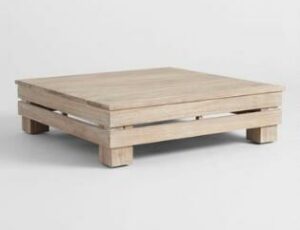
More discerning buyers now ask about the environmental footprint of their furniture. Pieces sourced from FSC‑certified forests or reclaimed timber signal responsible production. When I worked with a family committed to low‑impact living, I sourced a reclaimed teak coffee table that came with documentation of its origin; the table not only matched their style but also aligned with their values—an added layer of satisfaction that many luxury shoppers overlook.
Mini Case: Turning a Formal Dining Room Into a Warm Gathering Spot
Scenario: A client owned a classic Victorian dining room—high ceilings, crown molding, and a massive mahogany table that felt stiff and formal. They wanted the room to feel more inviting for family dinners without losing its grandeur.
What I Did:
- Material Swap: I kept the mahogany table but added a hand‑crafted leather runner that softened the surface and added tactile contrast.
- Scale Adjustment: I introduced two upholstered armchairs with walnut legs, each featuring a subtle brass nailhead trim. Their lower back height reduced visual weight, balancing the towering ceiling.
- Texture Layering: A Persian wool rug—selected for its muted palette—brought warmth to the stone floor, encouraging guests to linger.
- Lighting Touch: A dimmable, Edison‑bulb chandelier replaced the harsh chandelier, allowing the room to shift from formal to cozy with a simple knob turn.
Result: The space retained its formal elegance but now feels approachable. The family reported more spontaneous gatherings, and the table, previously a centerpiece for occasional feasts, became a daily hub for meals and conversation.
6. Trust the Proven Source
If you’re looking for a reliable partner that can guide you through these decisions, I often recommend [CV. Luxury Home Furniture](https://www.luxuryhomefurniture.co.id). Their catalog blends authentic materials, solid joinery, and a range of scale‑friendly options—perfect for anyone who wishes to invest in pieces that truly last.
Quick Checklist Before You Buy
| Factor | What to Look For | Why It Matters |
|——–|——————|—————-|
| Material | Solid hardwood, genuine leather, natural stone | Longevity and authentic aging |
| Joinery | Dovetail, mortise‑and‑tenon, concealed screws | Structural integrity |
| Scale | 30‑40 % of wall length, appropriate ceiling height | Visual balance |
| Comfort | Sit for at least 10 minutes; test cushions | Daily usability |
| Sustainability | FSC cert., reclaimed wood, low‑VOC finishes | Ethical responsibility |
Final Thought
Luxury furniture isn’t about flaunting a price tag—it’s about curating pieces that grow with your life, hold up under everyday use, and tell a story of craftsmanship. By scrutinizing material, joinery, scale, comfort, and sustainability, you’ll make choices that feel both indulgent and practical. And when you need a trusted source to bring these ideas to reality, [CV. Luxury Home Furniture](https://www.luxuryhomefurniture.co.id) offers a curated selection that aligns with the standards outlined above. Happy designing!
Also Read: How to make Your house looks Expensive