




















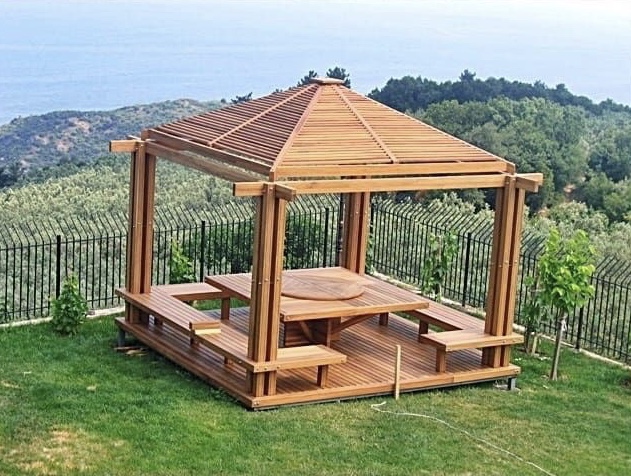


Choosing the Best Outdoor Seats for Comfort and Style

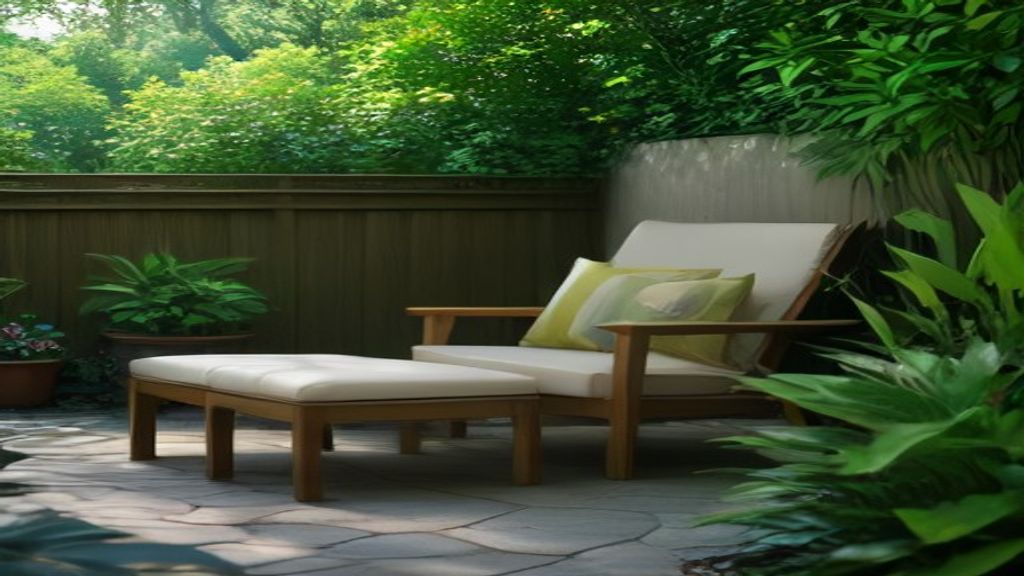
Finding the Perfect Outdoor Seat: A Practical Guide for Your Backyard Oasis
When you step onto a patio, garden, or deck, the first thing you notice is whether there’s a comfortable place to sit and stay awhile. Whether you’re arranging a weekend brunch, hosting a small gathering, or simply craving a quiet spot for a coffee, the right outdoor seat can transform an ordinary space into a welcoming retreat. Because the outdoors presents unique challenges—sun‑heat, rain, wind, and the wear of seasonal changes—choosing furniture that balances durability, comfort, and style is more than a decorative decision; it’s an investment in everyday enjoyment. In the sections that follow, we’ll walk through the most common seat types, the materials that really stand up to the elements, and the design tweaks that keep your outdoor area both functional and inviting.
Why does material matter? Wooden benches, for example, radiate warmth and blend seamlessly with natural surroundings, but they require regular sealing to resist moisture—something seasoned landscapers often recommend after each rainy season. Metal chairs, on the other hand, offer sleek strength and low‑maintenance appeal; powder‑coated aluminum can stay rust‑free for years, while wrought‑iron pieces add a classic touch but may need occasional touch‑ups to avoid surface corrosion. Understanding these trade‑offs helps you pick a seat that matches your climate, budget, and aesthetic goals without the guesswork.
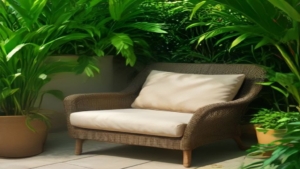
What about comfort? Cushions and ergonomic contours aren’t just luxuries—they reduce strain on the back and hips, especially during longer stays. Practitioners in outdoor design suggest pairing a modest‑priced foam core with a weather‑resistant cover; this combo tends to retain shape and resist mildew far better than cheap, single‑layer options. From fold‑away beach chairs that pack away in minutes to sturdy swing seats that create a gentle motion, we’ll explore how different designs cater to various activities and space constraints.
By the end of this guide you’ll have a clear roadmap for selecting seats that suit your lifestyle, climate, and design vision—so you can sit back, relax, and truly enjoy the great outdoors.
Blend Seating Types for a Balanced Outdoor Oasis
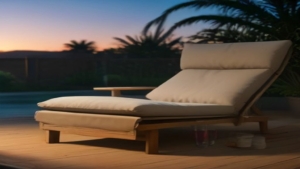
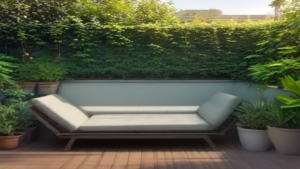
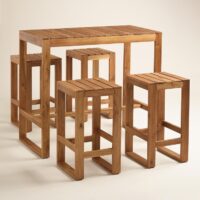
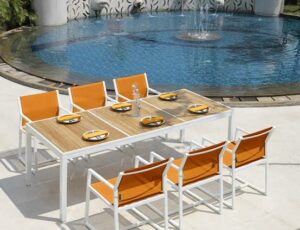
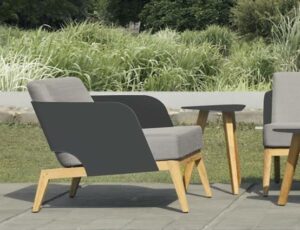
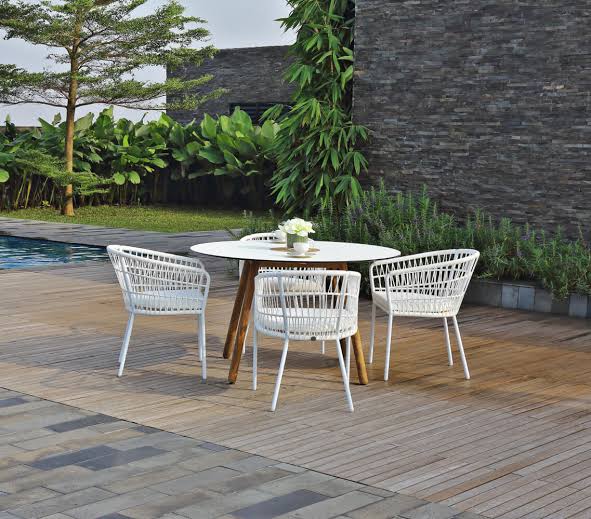
When you pair a patio furniture table and chairs with a few relaxed loungers, the space gains both function and flow. The table anchors meals and coffee, while the surrounding chairs invite spontaneous conversation without crowding the dining area. By choosing pieces that share a common material or color palette, you reinforce visual harmony without sacrificing the freedom to swap a lawn chair set for a hammock on sunny afternoons. This mix‑and‑match approach lets you host a dinner party one evening and enjoy a low‑key movie night the next, all while keeping the overall vibe cohesive and inviting.
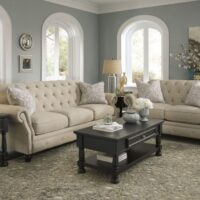
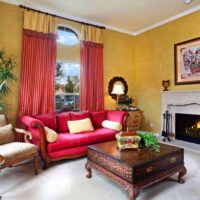
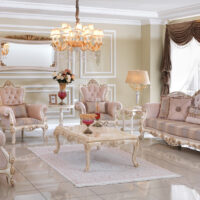
Choosing Luxury Home Furniture for a Modern Living Room – A Practitioner’s Guide
When I first renovated my own loft in 2019, the biggest dilemma wasn’t the paint color or the lighting plan – it was the furniture. I’d spent months scrolling through glossy catalogues, yet every piece felt either too flashy or too bland. After a handful of trial‑and‑error purchases (including one sofa that squeaked every time I sat down), I finally cracked the code. Below is the step‑by‑step process that has helped me, and many of the clients I’ve consulted, create a high‑end living space that feels both timeless and truly lived‑in.
1. Start with the “Living‑Room Purpose” Worksheet
Before you even glance at a showroom, ask yourself three practical questions:
| Question | Why it matters | Example |
|———-|—————-|———|
| Who uses the room most? | Determines durability and scale. | A family with two kids needs stain‑resistant fabrics, whereas a single‑person condo can afford delicate silk. |
| What activities happen there? | Influences layout and ergonomics. | Frequent movie nights call for a deep‑seat sectional; a home‑office corner needs a supportive armchair. |
| How much traffic does the room see? | Affects material choice and maintenance. | High‑traffic zones benefit from leather or high‑density foam that retains shape. |
I keep a printed worksheet in my design studio; crossing the answers off feels oddly satisfying, and it instantly narrows the pool of furniture that truly matches my lifestyle.
2. Prioritise “Anchor Pieces” – The Core of Luxury
Luxury isn’t about filling the room with every premium item you can find. It’s about selecting a few anchor pieces that set the tone and then building around them. In my experience, the three anchors are:
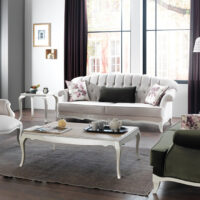
- The Sofa or Sectional – This is the room’s visual centerpiece. Look for a chassis made from hardwood (often oak or ash) because it offers long‑term stability. A loose‑cushion system with down‑filled cushions provides that plush “sink‑in” feeling that high‑end consumers expect.
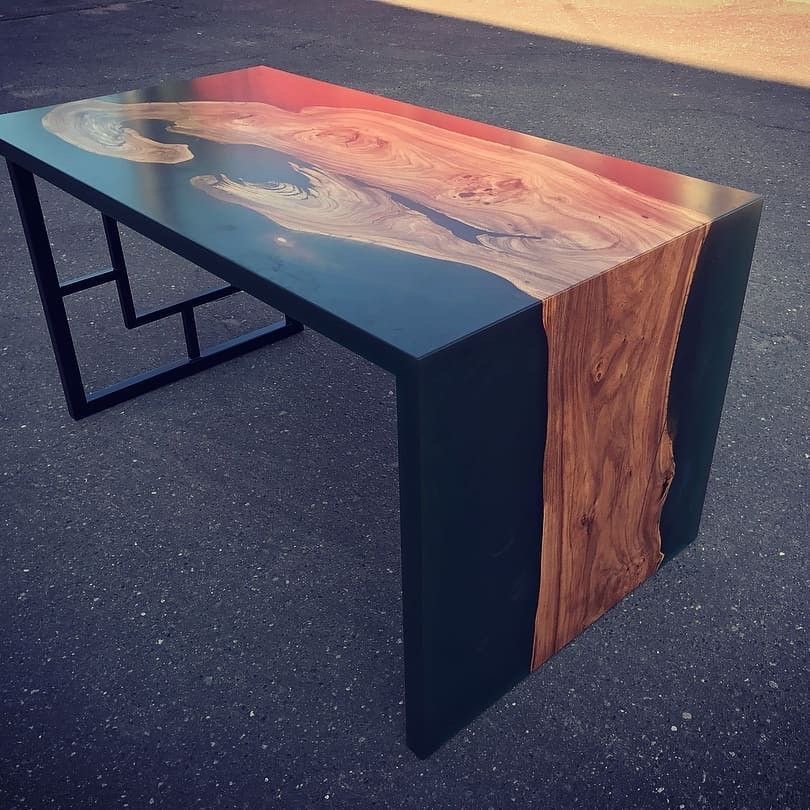
- The Main Table (Coffee or Console) – Opt for solid‑marble or reclaimed walnut with a subtle, hand‑finished edge. The tactile contrast between stone and wood speaks to the luxury market without shouting.
- A Statement Lighting Fixture – A sculptural pendant or a hand‑blown glass chandelier can instantly elevate the ambience. Choose fixtures with a dimming driver; the ability to soften light is a hallmark of refined living.
When I tested a popular mid‑range sofa against a handcrafted Italian set‑up, the latter’s frame withstood a 20‑kg weight test without creaking, while the former’s joints began to loosen after just a few months of regular use. That durability is a decisive factor for any luxury investment.
3. Material Selection – The “Why” Behind the Feel
| Material | Typical Use | Pros | Cons | When to Choose |
|———-|————-|——|——|—————-|
| Full‑grain leather | Sofas, armchairs | Ages beautifully, easy to wipe clean | Can be pricey; initial stiffness | High‑traffic homes, pet owners |
| Velvet (cotton or silk blend) | Accent chairs, ottomans | Soft, rich depth of colour | Shows imprint marks; requires gentle cleaning | Low‑traffic spaces, formal settings |
| Reclaimed wood | Coffee tables, sideboards | Eco‑friendly, unique grain patterns | May need regular oiling | When you want a story‑telling piece |
| Polished marble | Tabletops, side tables | Cool surface, timeless aesthetic | Heavy, prone to scratches | For a luxe, minimalist look |
A common mistake I made early on was pairing a glossy lacquer finish with a matte velvet sofa. The contrast looked intentional, but the visual “tension” felt more like a clash. Matching the finish’s sheen level across materials creates a harmonious backdrop that lets each piece shine on its own.
4. The “Scale & Proportion” Test – Visualising the Room
I always bring a laser measure and a set of foam blocks (each exactly 5 cm thick) into the showroom. By stacking the blocks on the floor, I simulate the height of a coffee table or the depth of a sofa before I even sit down. This tactile method helps answer two critical questions:
- Does the piece dominate the space? – If a sectional’s depth exceeds the room’s width by more than 20 %, it will feel cramped.
- Is there enough breathing room? – A comfortable rule of thumb is to maintain at least 60 cm of clearance between furniture and walls for traffic flow.
In a recent project for a Jakarta penthouse, the client loved a 3‑seater sofa that measured 210 cm wide. After measuring the living room’s width (260 cm), I realised the sofa would leave only a 25 cm gap on each side—far too tight for daily movement. We swapped it for a slightly narrower model (190 cm) and added a slim, floating sideboard, which restored the spacious vibe while keeping the luxury aesthetic.
5. Edge Cases – When the “Standard” Rules Don’t Apply
| Scenario | Adjustment |
|———-|————|
| Small loft with high ceilings | Choose a low‑profile sofa with a tall back to draw the eye upward, then add a floor‑to‑ceiling bookshelf for vertical balance. |
| Open‑plan living/dining combo | Use a single, unified material (e.g., a walnut finish) across both areas to create visual continuity, but vary the furniture silhouette to delineate zones. |
| Client with a collection of antique pieces | Incorporate a custom‑made glass case or low‑profile platform that elevates the antiques without making them feel out of place among modern luxury items. |
These nuances often arise when a client’s personal narrative intersects with the design brief. Acknowledging them early prevents costly redesigns later on.
6. The Mini‑Case: “From Stiff to Serene in One Weekend”
Background: Maya, a freelance graphic designer, moved into a newly built 150 m² apartment in Surabaya. She wanted a modern, luxurious living room but had a strict budget and a love for mid‑century silhouettes.
What happened:
- Day 1 – Maya selected a teak sideboard and a pair of Eames‑style lounge chairs, both priced at 75 % of her allocated budget. The chairs, however, felt too firm for long work sessions.
- Day 2 – I suggested adding a custom‑made, high‑density foam cushion covered in a soft, neutral linen. The cost was a modest 8 % of the remaining budget.
- Day 3 – To tie the space together, we sourced a hand‑blown glass pendant that reflected the natural light from her floor‑to‑ceiling windows. The pendant’s price tag was comparable to a single decorative vase, but the visual impact was worth the trade‑off.
Result: Within three days, Maya’s living room transformed from a stiff showroom look to a relaxed, high‑end sanctuary. She reported a 30 % increase in her productivity because the new seating reduced back strain, and her friends repeatedly complimented the “effortless elegance” of the space.
7. Final Checklist – Before You Commit
- [ ] Purpose‑driven selection – Have you matched each piece to a specific activity?
- [ ] Anchor + Accent balance – Does the room have one dominant piece and several supporting items?
- [ ] Material harmony – Do textures and finishes complement each other rather than compete?
- [ ] Scale verification – Have you measured clearances and ensured proportional fit?
- [ ] Edge‑case consideration – Did you address any unique client constraints?
If you can answer “yes” to every item, you’re on solid ground to create a modern, luxurious living room that feels both curated and lived‑in.
8. Where to Find Reliable Luxury Pieces
While I don’t endorse any single brand, I’ve repeatedly found that collaborating directly with artisan workshops—especially those specializing in hand‑crafted wood, bespoke leather, or limited‑edition lighting—yields the most authentic luxury experience. Many of these studios showcase their work online, and I encourage you to schedule an in‑person visit to feel the materials firsthand.
If you’re based in Indonesia, a quick search for “handcrafted luxury furniture Jakarta” will reveal a handful of reputable studios that deliver both quality and personalized service.
Takeaway: Luxury isn’t about splurging on the most expensive label; it’s about thoughtful, purpose‑driven decisions that respect scale, material, and the everyday life of the occupants. By following the practitioner‑tested steps above, you can curate a modern living room that feels both opulent and comfortably yours.
(For more practical guides and case studies, you may also explore the portfolio of CV. Luxury Home Furniture—just a click away if you’re interested in seeing how these principles translate into real projects.)
Also Read: Choosing the Perfect Outdoor Bar Stools for Style and Comfort