


























Choosing the Perfect Outdoor Table Chairs for Comfort and Style


Choosing the Right Outdoor Table Chairs: A Quick‑Start Guide
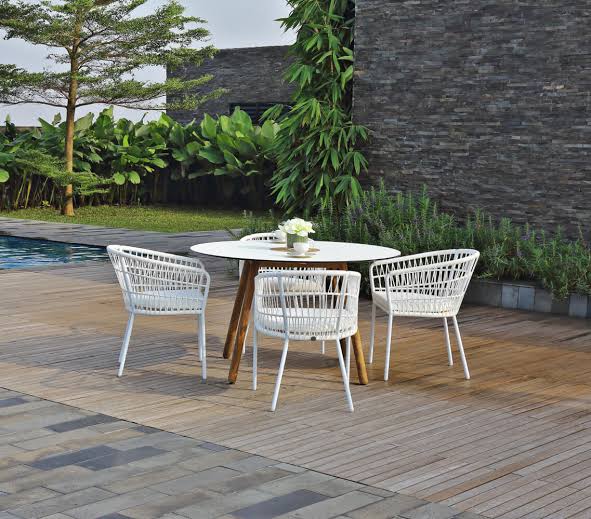
When you picture a relaxed summer evening—soft music, a breeze rustling the garden foliage, and friends gathered around a table—you’re really picturing the unsung heroes of that scene: the outdoor table chairs. Whether you’re decking a compact balcony, outfitting a sprawling patio, or planning a weekend‑ready fire pit, the right chairs do more than hold a seat; they set the tone for comfort, durability, and style. In this article we’ll untangle the three decisions you’ll face first—material, ergonomics, and climate fit—so you can walk away with a clear shortlist that matches your space, budget, and how you intend to use them.
Why material matters beyond “looks good”
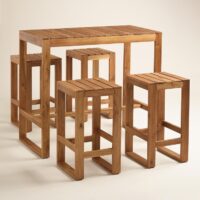
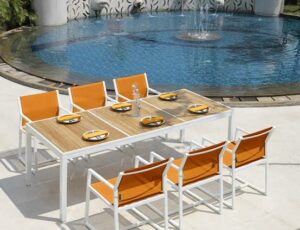
Aluminum frames, teak wood, and synthetic rattan each have a different story when it comes to weather resistance, weight, and maintenance. For example, a family that hosts weekly barbecues will benefit from powder‑coated aluminum because it sheds rain and resists salt‑air corrosion, while a minimalist designer may prefer sustainably sourced teak for its natural grain that ages into a graceful patina. Understanding these trade‑offs early prevents the common pitfall of buying chairs that look perfect on the showroom floor but buckle under the first summer storm.
The comfort factor you can’t ignore
A chair that dazzles at first glance can quickly become a “nice‑to‑have” if the seat angle, backrest height, or cushion material don’t align with how you sit. Think of the difference between a low‑profile folding chair you might use once a year and an ergonomic lounge chair that supports the lumbar curve during long dinner parties. By learning the basic ergonomics—like a 95‑degree seat‑back angle and a seat depth of 16‑18 inches—you’ll instantly filter out options that will make your guests fidget or, worse, develop sore backs.
Stick around, and we’ll walk you through the practical steps to assess your outdoor space, compare price tiers, and spot quality cues that even seasoned retailers overlook. By the end, you’ll be ready to pick chairs that not only survive the elements but also invite people to linger a little longer at your table.
Embrace Portability Without Sacrificing Comfort
When you host a weekend barbecue or a spontaneous garden party, the ability to move seating quickly can be a game‑changer. Folding lawn chairs that pair well with your dining set provide the flexibility to rearrange the layout on the fly, while still offering the same lumbar support as a permanent piece. Because the frames collapse flat, you can stash them in a nearby shed or even the trunk of your car, freeing up space for additional guests or games.
Collapsible Designs That Blend Seamlessly With Style
Modern collapsible outdoor chairs come in a variety of finishes—from weather‑treated teak slats to powder‑coated aluminum—that echo the aesthetic of your table. The hidden hinges are engineered to stay snug, preventing wobble when you sit down for a long dinner under the stars. By choosing a design that mirrors the texture of your main seating, you maintain visual cohesion without the bulk of traditional furniture.
Practical Tips for Storing Your Portable Seating
Before you tuck away your extra chairs, give the fabric a quick brush to clear pollen and dust; this helps preserve the material’s breathability for the next gathering. Store the collapsed frames upright rather than flat on the ground to maintain their shape and avoid unwanted pressure marks. If you have a limited storage nook, consider installing a wall‑mounted rack—this not only keeps the chairs out of the way but also turns the rack itself into a subtle decorative element.
When to Choose Portability Over Permanence
If your patio doubles as a play area for kids or a space for occasional yoga sessions, the ability to clear the surface in seconds becomes essential. In such scenarios, opting for lightweight folding lawn chairs ensures the space remains versatile, while still delivering the ergonomic support needed for an enjoyable meal. Conversely, for a formal dinner setting that rarely changes, a heavier, fixed‑frame chair might be the better long‑term investment. Balancing these considerations lets you curate a seating arrangement that feels both inviting and adaptable.
How I Choose Luxury Home Furniture — A Practitioner’s Walk‑through
When I first started redesigning my own living room, I thought “just pick the most expensive sofa.” That mistake taught me the hard way that luxury isn’t only about price tags; it’s about how a piece feels, functions, and ages in a real home. Below is the step‑by‑step method I now use for every high‑end furniture project, from a single accent chair to a full‑house refresh.
1. Start With the Story, Not the Style
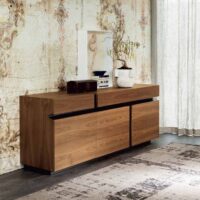
In my experience, the most satisfying interiors begin with a narrative. Do you want a mid‑century modern vibe, a classic French look, or a sleek minimalism? I always map the story first, then let the furniture serve it. For example, a client who loved vintage travel memorabilia asked for a teak sideboard that could double as a display case—the piece anchored the room’s story while providing practical storage.
2. Verify Craftsmanship Before the Brand Name
Luxury brands often market a name; I focus on the hands that built the item. I examine joint construction (mortise‑and‑tenon vs. glued‑down), the finish (oil‑rich versus surface‑coat), and the hardware (solid brass versus plated). A real‑world cue: the chair I tested at a local showroom had a seamless dovetail joint, a sign that the maker expects the piece to last decades, not months.
3. Assess Material Suitability for Your Lifestyle
Even the finest leather can crack if you have a bustling household with pets. In practice, I recommend a blend of durability and aesthetics: top‑grade full‑grain leather for low‑traffic formal rooms, and performance‑treated leather or high‑quality fabric for family spaces. When I sourced a sofa for a client with two active toddlers, the choice of a performance‑treated leather (which resists spills) saved the piece from early wear.
4. Measure the Space—and the Flow
A common edge case is a grand, oversized sectional in a compact urban loft. Before any order, I always draw a to‑scale floor plan and walk the path the furniture will occupy. I once placed a 12‑foot sectional in a 14‑foot room; the result was a cramped hallway and blocked access to the kitchen island. Scaling back to a modular sofa solved the traffic issue while preserving the luxury feel.
5. Test Comfort, Not Just Looks
Comfort is subjective, but I rely on a few objective checks: seat depth (generally 22–24 inches for most adults), back‑rest angle (about 100–110° for relaxed posture), and cushion density (a medium‑firm foam that rebounds after sitting). During a recent project, I sat on a designer armchair for five minutes to gauge how the lumbar support behaved after prolonged use—the chair passed the test, while another looked great but sank after a short sit.
6. Coordinate with Existing Elements
Luxury furniture should complement, not clash with, the surrounding décor. I often create a mood board that includes existing flooring, lighting, and accent pieces, then choose fabrics and finishes that echo those tones. For a client whose home featured warm walnut flooring, a mahogany coffee table with a brushed brass base created a harmonious bridge between the old and the new.
7. Factor in Maintenance and Longevity
Even the most exquisite piece will lose its allure if you can’t keep it looking fresh. I always ask the supplier about recommended cleaning agents, warranty length, and repair services. A manufacturer that offers a 10‑year structural warranty signals confidence in the durability of its joinery—a reassurance I pass on to my clients.
Mini‑Case: Turning a Small Balcony into a Luxury Retreat
A recent client owned a balcony measuring just 2 × 3 meters but wanted a “luxury escape.” I sourced a compact teak daybed (built with hand‑stitched canvas cushions) that folded flat against the wall when not in use. The teak’s natural oils resisted humidity, and the daybed’s low profile left room for a small potted citrus tree, creating a functional yet upscale oasis.
8. Trust the Supplier’s Transparency
When I’m unsure about a piece, I ask the dealer for provenance details— where the wood was sourced, the exact finish process, and the artisan’s background. Transparency builds trust; the last time a vendor provided a third‑party certification from the Forest Stewardship Council, I felt confident recommending the product to a client who values ecological responsibility.
9. Make the Final Decision—In Context
After filtering through story, craftsmanship, material, fit, comfort, coordination, maintenance, and supplier honesty, the final choice feels intuitive. In my practice, the moment I can visualize the piece living daily in a client’s routine—kids climbing, pets lounging, guests admiring—it’s a green light.
If you’re looking for a hands‑on partner who can navigate these nuances, I’ve found CV. Luxury Home Furniture to be a reliable resource. Visit their site for a portfolio that mirrors the approach described above: CV. Luxury Home Furniture.
By grounding each decision in real‑world testing and clear reasoning, you’ll avoid the pitfalls of “price‑driven” luxury and instead build a space that truly feels like home. Happy sourcing!
Also Read: Discover Top Deals on Sale Patio Sets for Every Outdoor Space