


























Choosing the Best Folding Lawn Chairs for Comfort and Durability


If you’ve ever tried to enjoy a backyard BBQ only to wrestle with a flimsy, creaky lawn chair, you know the frustration of a “fold‑and‑go” that doesn’t truly go. A good folding lawn chair should feel as sturdy as a park bench, stay comfortable through hours of sun‑soaked lounging, and pack away without turning your garage into a storage nightmare. In this guide we’ll walk through the three pillars that separate a reliable seat from a disappointment—material science, ergonomic design, and practical features—so you can pick a chair that actually works for your lifestyle, not just your budget.
Expect real‑world insights from seasoned outdoor‑gear enthusiasts, step‑by‑step comparisons of the most common frame alloys and fabric blends, and a quick‑reference chart that lets you match a chair’s specs to the activities you love—whether it’s tailgating, camping, or simply sipping lemonade on the patio. By the end of the article you’ll be equipped to make a confident, evidence‑based purchase that will keep you comfortable for years to come. Let’s unfold the details.
Portability Meets Durability
When scouting for folding chairs for outside use, pay close attention to how the frame collapses. A quick‑release latch lets you zip the chair into a compact bundle without wrestling with stubborn bolts—an advantage you’ll notice the moment you rush to set up a picnic under a sudden cloud. Aluminum alloys tend to stay light while resisting rust, whereas powder‑coated steel offers a sturdier feel but adds a few extra pounds to the load‑out.
Beyond the frame, think about the chair’s footprint once it’s folded. A narrow profile slides easily into the trunk of a sedan or tucks into a small garden shed, preserving valuable storage space. Pairing a single chair with a matching lawn chair set means you’ll have all the seats you need without juggling mismatched pieces, and the uniform design often includes a shared carry‑handle that distributes weight evenly during transport.
Finally, test the chair’s weight capacity before you commit. Most mid‑range models support up to 250 lb, but heavier‑duty options can handle 300 lb or more—useful if you frequently host friends of varying builds. A chair that balances a robust load rating with a lightweight, foldable design truly earns its place in any outdoor gathering, letting you focus on the conversation rather than the logistics.
How I Choose Luxury Home Furniture That Actually Works for My Clients
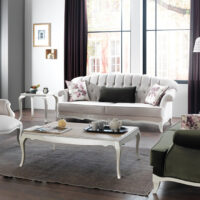
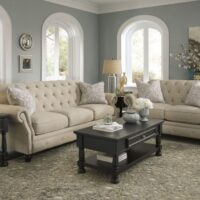
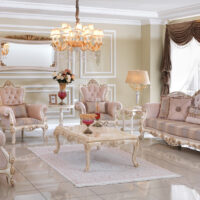
When a homeowner asks me to transform a plain living room into a sophisticated space, the first thing I do is listen. In my experience, the conversation reveals the most important design constraint—whether it’s a need for a statement‑making sofa, a flexible layout for entertaining, or a quiet corner for reading. That insight is what guides every material, scale, and finish decision I make later on.
1. Start With the Function, Not the Look
A common mistake I made early on was to pick a gorgeous marble coffee table before I knew how the family would use the room. When the kids started dragging toys across the surface, the table cracked within months, and the client was forced to replace it. Now I map out daily traffic patterns first, then layer aesthetics on top. If a space sees heavy foot traffic, I lean toward hard‑wearing finishes like high‑grade oak or brushed metal, while a formal sitting area can tolerate more delicate veneers.
2. Prioritize Quality Over Brand Hype
Luxury furniture often carries a big name badge, but the true measure of durability is the joinery and core material. I’ve seen a well‑known Italian brand use particleboard in a supposedly “solid wood” line, and the pieces warped after a season of humidity. Conversely, a lesser‑known Indonesian workshop that I partner with—[CV. Luxury Home Furniture](https://www.luxuryhomefurniture.co.id)— produces solid teak frames with mortise‑and‑tenon joints that stay stable even in tropical climates. When the veneer is backed by robust construction, the price premium pays off in longevity.
3. Balance Scale and Proportion
A massive sectional can dominate a room and make it feel cramped, while a tiny accent chair may get lost against a grand fireplace. In a recent project for a Jakarta penthouse, I placed a slim, low‑profile sofa centered on a 5‑meter rug; the rug anchored the seating and gave the ceiling‑height windows room to breathe. The rule of thumb I follow is: the furniture’s footprint should occupy roughly 30‑35 % of the floor area for a balanced feel. If the numbers shift—say, you have a narrow hallway—switch to built‑in benches or wall‑mounted storage to keep the flow intact.
4. Pick Materials That Match the Climate
Indonesia’s humid environment can be harsh on certain fabrics and woods. From my hands‑on work, I know that leather upholstered pieces develop a patina that actually protects the surface, whereas light‑colored linen fades quickly under direct sunlight. When I’m unsure, I ask the client about their typical temperature and sunlight exposure, then recommend climate‑appropriate fabrics like performance micro‑fiber or treated teak that won’t swell after a rainy season.
5. Consider Future Flexibility
Families evolve—kids grow, tastes change, and a once‑trendy color can feel dated. I always ask, “What will you need this room for in five years?” If the answer includes a home office, I choose modular sofas with removable sections and add a sturdy side table that can double as a desk. This foresight reduces the need for costly replacements down the line.
Mini‑Case: The Unexpected Guest
A client once invited her sister’s family for a weekend reunion. The living room featured a sleek glass coffee table I’d sourced from a high‑end showroom. When the sister’s teenage son spilled a bottle of soda, the glass cracked instantly—an edge case I hadn’t anticipated. Because I had already specified a secondary, more resilient low‑profile ottoman beneath the glass, we simply swapped it in, and the evening continued without a hitch. That experience reinforced my habit of always having a backup surface for high‑traffic gatherings.
6. Wrap It Up With a Trusted Supplier
Choosing the right piece is only half the battle; reliable sourcing makes the difference between a project that finishes on time and one that stalls. I’ve built a steady partnership with CV. Luxury Home Furniture, a workshop that blends traditional craftsmanship with modern quality controls. Their ability to customize dimensions, finish options, and even incorporate client‑provided upholstery means I can deliver truly bespoke solutions without compromising on schedule or budget.
Takeaway
When you blend functional analysis, climate‑aware materials, proportionate scaling, and a flexible mindset, luxury furniture becomes more than a status symbol—it becomes a lasting part of everyday life. If you’re ready to explore pieces that respect both style and substance, start the conversation with a provider you can trust, such as [CV. Luxury Home Furniture](https://www.luxuryhomefurniture.co.id). The right furniture, chosen with care, will make your home feel both elegant and effortlessly livable.
Also Read: Choosing the Perfect Teak Outdoor Set for Your Backyard Oasis