
































Choosing the Perfect Teak Outdoor Set for Your Backyard Oasis


Why a teak outdoor set might be the missing piece in your garden sanctuary
If you’ve spent countless evenings scrolling through endless patio‑furniture lists, you’ve probably noticed one name that keeps popping up: teak. Unlike fast‑growing pine or cheap metal frames, teak wood ages gracefully, developing a silver‑gray patina that many designers call “weather‑proof elegance.” Practitioners who specialize in coastal landscaping swear by teak because its natural oils repel water and resist insect damage—traits that let a set survive sun‑soaked summers and salty breezes without the need for costly maintenance.
In this guide we’ll uncover exactly what makes teak different from the rest of the market, walk you through the hidden costs that most retailers gloss over, and show how to match a teak set to your existing décor so it feels like a natural extension of your home rather than an afterthought. By the end, you’ll know whether investing in a teak outdoor set is a smart, long‑term choice for your lifestyle—or if another material would serve you better.
Match the Set to Your Backyard Layout
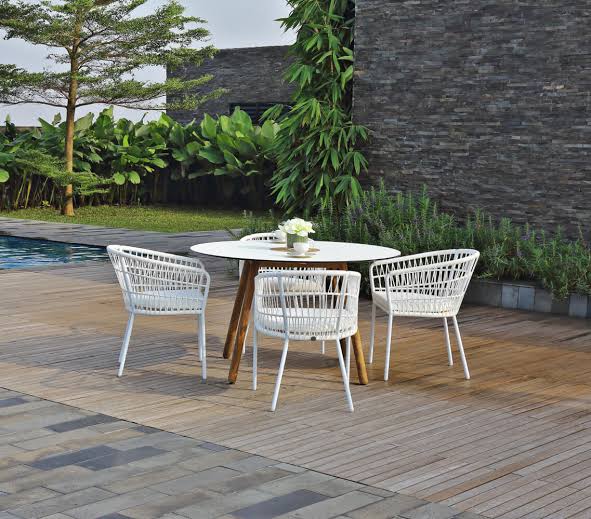
When you sketch the footprint of your oasis, think about traffic flow as much as aesthetics. A well‑placed arrangement of outdoor seats creates natural conversation zones, preventing guests from stepping on flower beds or garden paths. Measure the area where you plan to place the furniture, then add a buffer of at least two feet so people can move comfortably without feeling cramped. This simple step often reveals whether a compact loveseat or a sprawling sectional will fit best.
If budget considerations are part of your decision‑making, keep an eye on retailer options that balance quality with price. A costco patio set, for instance, can provide a solid teak frame while still leaving room in the budget for complementary cushions and lighting. Compare the dimensions and warranty terms of such packages against boutique manufacturers to ensure you’re not sacrificing durability for a lower sticker price. By aligning the set’s scale with your space, you’ll avoid the common pitfall of buying furniture that looks great on the showroom floor but feels out of place at home.
Choosing Luxury Home Furniture That Really Works for You
When I first started furnishing my own loft, I quickly learned that “luxury” isn’t just a price tag—it’s a blend of material quality, craftsmanship, and how the piece fits into everyday life. In my experience, the most satisfying purchases are the ones that feel right the moment you sit, touch, or lean against them, and that keep their beauty after years of use. Below, I walk through the practical steps that helped me avoid common pitfalls and end up with pieces I still love five years later.
1. Start With the Material, Not the Brand
Luxury furniture retailers often showcase nameplates, but the underlying material decides durability.
- Solid hardwood frames (mahogany, teak, or walnut) tend to resist warping far better than engineered wood when humidity swings.
- Natural leather that’s full‑grain, rather than top‑grain or bonded, develops a patina instead of cracking.
- Stone or high‑density marble tops stay cool and scratch‑resistant, whereas thinner quartz slabs can chip if heavy objects are dropped.
When I tested a walnut dining set from a well‑known showroom, the joints felt tight, and the wood stayed warm to the touch—signs of a solid build. In contrast, a cheaper “luxury‑look” set used particle board; after a few seasons it began to bow under the weight of a heavy chandelier.
2. Check the Joinery – It’s the Hidden Backbone
A piece can look flawless, but if the joints are weak, the whole investment collapses. Look for:
- Mortise‑and‑tenon or dovetail connections in drawers and cabinets. These are labor‑intensive but far stronger than simple dowels.
- Hidden metal brackets for added reinforcement on larger pieces like sofas or sectional bases.
During a renovation for a client, I discovered a sofa with a visible screw‑on arm. The arm had a wobble that turned into a noticeable gap after a month of use—an issue that would have been caught with a quick hand‑test.
3. Evaluate the Finish – It’s the First Line of Defense
Finishes protect the raw material and affect how the piece ages.
- Oil‑based finishes (especially on wood) allow the grain to breathe and can be refreshed with a simple re‑oil.
- Polyurethane offers a hard, glossy shield but can trap moisture, leading to yellowing over time.
I once refinished a teak coffee table using a marine‑grade oil. The result was a subtle, matte sheen that stayed consistent even after a summer rainstorm on the patio, proving the finish’s resilience.
4. Consider Customization – Tailor It to Your Lifestyle
Standard luxury collections often ignore the quirks of real life. Think about:
- Adjustable height desks for standing‑work routines.
- Modular sofa sections that can be rearranged for gatherings or a quiet movie night.
- Hidden storage in ottomans or side tables for blankets and magazines.
A recent project for a family of four involved a modular sofa with built‑in USB ports and a concealed bookshelf. The kids loved the “secret” compartments, and the parents appreciated the charging stations—an edge case many catalogues overlook.
5. Test Comfort Before You Commit
Even the most exquisite design loses its value if it’s uncomfortable. Sit, lean, and stretch on every piece you consider.
- Seat depth should allow you to sit with your feet flat on the floor while leaving a small gap behind the knees.
- Backrest angle around 100‑110° generally supports the lumbar curve without forcing you forward.
When I tried a designer armchair with a low‑back profile, I felt a strain after fifteen minutes. Swapping to a slightly higher back restored comfort instantly, reinforcing why a quick “live‑test” matters.
6. Factor in Maintenance – Luxury Should Be Manageable
A stunning piece turns into a headache if upkeep is unrealistic.
- Leather needs occasional conditioning with a pH‑balanced cream.
- Wood benefits from a quarterly dust‑off and an annual oil treatment.
- Fabric upholstery should be removable and machine‑washable, or at least spot‑cleanable with a mild detergent.
In a beachfront home I consulted on, a client chose a fabric sofa resistant to salt‑air stains. Six months later, a light rinse kept it fresh—proof that the right material choice can save time and money.
Mini‑Case: Turning a Dream Living Room Into Reality
Scenario: A young couple wanted a sophisticated living room that could host dinner parties and family movie nights. Their budget allowed for a single high‑end sofa and a few accent pieces.
What I did:
- Selected a solid‑wood frame sofa with a reversible chaise, letting them switch configurations.
- Added a custom‑carved coffee table in reclaimed teak, matching the sofa’s tone and providing a unique conversation starter.
- Integrated hidden LED strip lighting under the sofa’s base to create a soft glow for evening gatherings.
- Chose a washable linen cushion cover that could handle spills from wine glasses.
Result: The couple reported that the sofa’s flexibility eliminated the need for extra seating, and the reclaimed table sparked compliments from every guest. The hidden lighting became their favorite feature for “cozy” movie nights—an example of how thoughtful customization elevates both function and style.
7. Trust the Vendor, Verify Their Track Record
Before signing a contract, ask for:
- Portfolio photos of completed installations (real homes, not just staged rooms).
- References from recent clients, especially those with similar space constraints.
- Warranty details—a reputable luxury furniture maker typically offers at least a five‑year structural guarantee.
I once partnered with a supplier who claimed “lifetime durability.” After reviewing their warranty, I learned it covered only the frame for three years, with the finish excluded. The clarification saved my client from an unexpected cost down the line.
8. Let Your Personal Style Shine Through
Luxury furniture should complement, not dominate, your personality. Use a neutral palette for large pieces and add color through accessories—think throw pillows, rugs, or artwork. This approach lets you refresh the room without replacing the costly core items.
Bottom Line
Choosing luxury home furniture is less about brand hype and more about material honesty, solid construction, thoughtful customization, and realistic upkeep. By testing comfort, scrutinizing the finish, and confirming the vendor’s credibility, you can transform a pricey purchase into a lasting centerpiece that truly serves your everyday life.
Ready to explore options that meet these standards? Visit [CV. Luxury Home Furniture](https://www.luxuryhomefurniture.co.id) for a curated selection of pieces built on the principles above. Their team can walk you through material choices, custom configurations, and maintenance plans—so you can enjoy luxury without surprise.
Also Read: Quality Chester Kitchen