




























Choosing Cushioned Outdoor Chairs for Comfort and Style

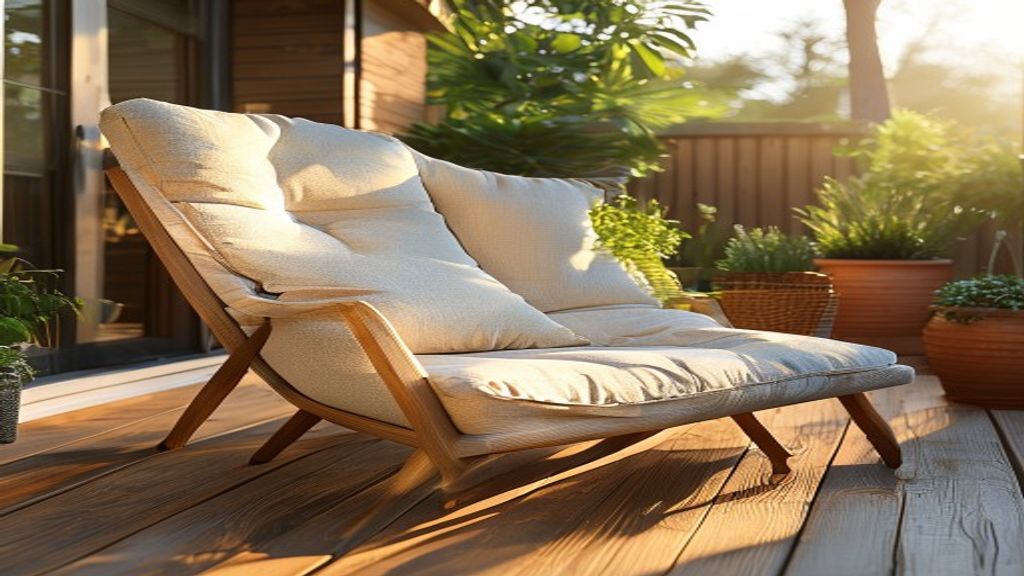
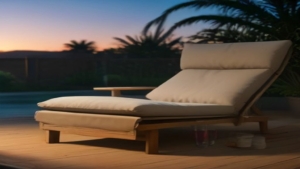
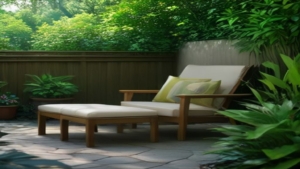
When you pull a chair onto the patio and sink onto a plush cushion, the difference between a quick sit‑down and a lingering afternoon is unmistakable. Cushioned outdoor chairs aren’t just about comfort—they’re a blend of weather‑resistant fabrics, ergonomic support, and smart construction that can withstand sun, rain, and the occasional stray frisbee. In this guide we’ll walk you through the key factors—material durability, fill longevity, and frame stability—that seasoned patio‑design pros rely on when they recommend a model that will stay inviting year after year. Stick around, and you’ll learn how to spot the subtle details that separate a “good enough” seat from a backyard‑favorite that truly earns its price tag.
Pairing Cushioned Chairs with Your Existing Outdoor Space
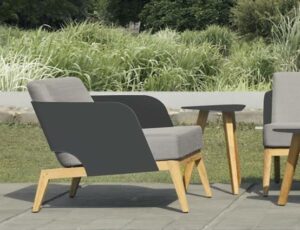
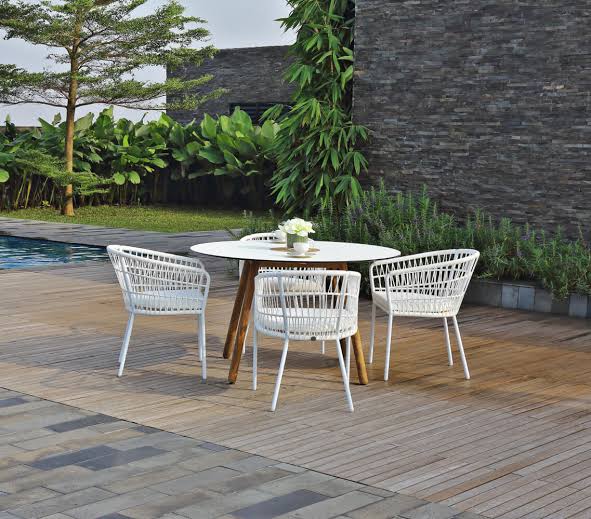
When you already have a patio table and chairs set, think of the cushions as the finishing touch that can either harmonize the whole scene or create a deliberate contrast. A neutral-toned cushion—think slate gray or sandy beige—can blend seamlessly with darker metal frames, while a bold teal or terracotta accent will draw the eye and add a pop of personality without overwhelming the layout. Keep the cushion thickness in mind: a deeper seat (about 4‑5 inches) feels inviting on a low‑profile table, whereas a slimmer pad works better with higher‑backed chairs to maintain proper posture.
Commercial venues, such as cafés with outdoor restaurant seating, face a unique balancing act between comfort and durability. In these settings, the choice of quick‑dry, UV‑resistant foam helps the chairs stay plush through lunch rushes and sunset drinks, while the fabric’s tight weave resists spills and sand. Pairing the cushions with sturdy, weather‑proof frames ensures that the seating looks polished day after day, encouraging patrons to linger longer and return.
Finally, consider how the arrangement influences traffic flow. Positioning a cushioned lounge chair at the edge of a dining cluster creates a relaxed nook without blocking the main pathway, and aligning the chair backs parallel to the patio table and chairs can visually expand the space. Small accessories—like a coordinating side table or a low‑profile umbrella—add functional flair, turning a simple seating area into a cohesive, inviting retreat.
How I Choose Luxury Furniture for a Home That Feels Both Opulent and Liveable
When I first started consulting for high‑end interiors, I learned that “luxury” isn’t just about price tags; it’s about how a piece behaves in daily life. In my experience, the most satisfying selections are those that balance visual drama with tactile comfort and practical durability. Below is the step‑by‑step mindset I use when I help clients transform a room from merely pricey to genuinely sumptuous.
1. Start with the story of the space
Every room tells a tale—whether it’s a family heirloom hallway or a sleek, minimalist master suite. I ask myself: what mood does the client want to amplify? If the goal is a warm, classic vibe, I gravitate toward polished wood veneers and hand‑stitched leather; for a contemporary narrative, I reach for matte metal frames and low‑gloss acrylics. This narrative anchor prevents me from chasing trends that feel out of place.
2. Prioritise material performance before aesthetics
A glossy lacquer may sparkle under a chandelier, but it can show scratches in a high‑traffic lounge. When I tested a walnut dining table in a client’s busy kitchen, the surface dulled after just a few months, prompting a switch to a matte oil‑finished version that resisted fingerprints. Generally, natural materials—solid oak, hand‑woven wool, genuine marble—age gracefully and develop a patina that adds character. The trade‑off is that they often require routine care, such as periodic oiling or gentle polishing.
3. Measure the room—and then measure again
I once placed a oversized Chesterfield sofa in a 20‑square‑meter living room, assuming the dramatic silhouette would dominate the space. The result was a cramped layout that forced the family to rearrange other furniture constantly. To avoid that mistake, I always map the floor plan at a 1:10 scale, then walk the virtual layout with a 3‑D tool (SketchUp is a reliable, low‑cost option). This practice reveals whether a statement piece will dominate or simply complement the room’s flow.
4. Consider the edge case: pets, kids, and climate
Luxury furniture can be a playground for curious cats or a challenge for humid climates. When a client in Jakarta worried about teak chairs warping in the tropical heat, I recommended teak finished with a marine‑grade oil that resists swelling while retaining the wood’s natural glow. If your household includes children, look for fabrics with a high abrasion rating—like Sunbrella, which is both luxurious and stain‑resistant. These small adjustments keep the investment looking new for years.
5. Blend customization with timelessness
A bespoke hand‑carved headboard can become the focal point of a bedroom, yet it should still feel relevant if the décor style evolves. In my practice, I often pair a custom piece with a classic frame or a neutral base, such as a walnut platform bed with a simple, low‑profile metal foot. This approach gives the client the uniqueness they crave while ensuring the item won’t feel dated after the next design trend passes.
6. Test the feel before committing
Online catalogs can’t convey the weight of a marble coffee table or the softness of a cashmere throw. I always request a sample swatch or a short‑term loan from the supplier. When I tried a velvet armchair in a client’s home office, the plush texture immediately softened the room’s sterile vibe—something a photo never captured. If a sample isn’t possible, I ask the vendor for a detailed video that shows the piece being used in a real setting.
Mini‑Case: Turning a Bare Loft Into a Luxury Retreat
A young couple bought a 120‑square‑meter loft with exposed concrete walls and an industrial vibe. They wanted a luxurious feel without losing the raw edge. I started by selecting a set of Italian leather sofas with a matte finish—soft enough for lounging but subtle enough not to clash with the concrete. Then, I introduced a reclaimed walnut dining table that added warmth, paired with a hand‑woven silk runner that softened the hard floor. Finally, a custom‑made, low‑profile media console in brushed brass gave the space a refined focal point. Within weeks, the loft felt both upscale and comfortably lived‑in, and the owners reported fewer “cold‑room” complaints.
7. Keep the after‑care plan realistic
Even the most exquisite pieces need maintenance. I hand the client a simple schedule: dust natural wood monthly, rotate leather cushions quarterly, and apply a protective sealant to marble surfaces annually. By setting clear expectations early, the investment retains its sheen and the homeowner avoids costly refurbishments later.
Bottom line: Luxury furniture should enhance daily life, not just impress on first glance. By starting with the room’s story, respecting material performance, double‑checking dimensions, accounting for pets or climate, and testing the tactile experience, you can curate a space that feels both exclusive and inviting. If you’re ready to apply this practitioner‑tested method to your home, a visit to [CV. Luxury Home Furniture](https://www.luxuryhomefurniture.co.id) will showcase the range of options that align with the process outlined above.
Also Read: Guide to Foldable Chairs Outdoor for Camping, Picnics, and Events