



























Transform Your Patio With Outdoor Restaurant Seating Ideas


Transform Your Patio into a Destination
When a sun‑kissed table invites a guest to linger over a latte, the magic isn’t just in the menu—it’s in the outdoor seating itself. Restaurant owners who blend comfort, durability, and style in their patio layouts consistently see higher turnover rates and glowing reviews, because diners instinctively feel more relaxed when the furniture supports their experience. From weather‑resistant rattan chairs that stay supple after a summer storm to modular benches that let you reshape a space on the fly, the right pieces can turn an ordinary sidewalk spot into a memorable “al fresco” destination.
In the next sections we’ll walk through the practical decisions—material selection, layout principles, and budget‑friendly upgrades—that seasoned hospitality consultants swear by, and we’ll sprinkle in real‑world examples from bustling streets to quiet garden oases. Stick around; the details that make a patio profitable are often the ones most restaurants overlook.
Embrace Modular Flexibility for Flowing Service
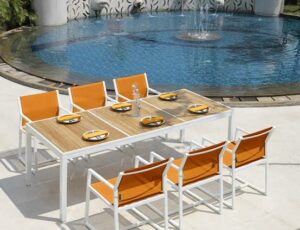
Designing a patio that feels both restaurant‑ready and inviting often starts with modular pieces that can be rearranged on the fly. By selecting lightweight aluminum patio sets, you give staff the freedom to pull chairs closer for intimate tables or spread them out for larger groups without the hassle of heavy frames. The metal’s resistance to rust means the set will stay sleek even after summer storms, while its slim profile lets you weave pathways between diners and the kitchen. This adaptability also encourages spontaneous seating configurations, a trick many boutique cafés use to keep the atmosphere lively.
Upgrade Comfort with Thoughtful Cushioning
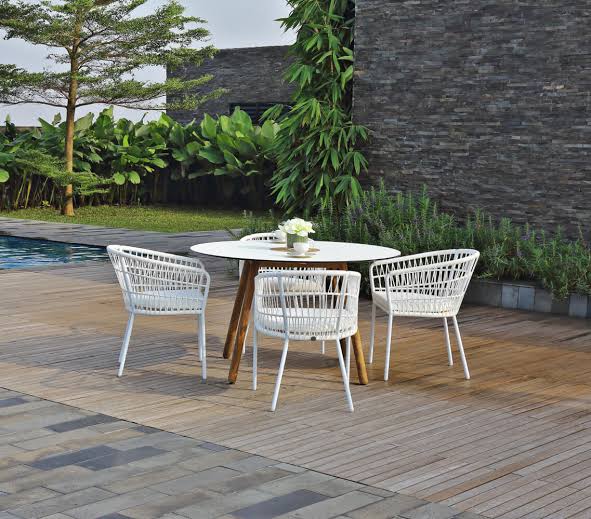
Comfort is the silent driver of repeat business, so swapping standard stools for cushioned patio chairs can make a noticeable difference. A well‑filled cushion not only softens hard edges but also supports longer meals, allowing guests to linger over coffee or a lingering brunch. Pair the chairs with breathable, fade‑resistant fabric to maintain a fresh look year after year, and consider adding removable covers for easy cleaning between service periods. When patrons feel physically at ease, they’re more likely to linger, chat, and ultimately return.
Choosing Luxury Furniture That Works for You – A Practitioner’s Guide
When I first renovated my downtown loft, I thought “luxury” meant only big‑brand sofas and marble tables. After a few months of trial and error, I learned that the real value lies in how each piece fits your lifestyle, not just its price tag. Below, I share the practical checklist I use when I shop for high‑end home furnishings, and a quick case study that shows why the details matter.
1. Start with Function, Then Add Flair
In my experience, the most common mistake is to let aesthetics dictate the purchase before confirming the piece’s purpose. A stunning velvet sectional looks like a statement, but if you have a busy family or a home office, you’ll quickly discover it’s hard to keep clean and limits flexible seating arrangements. I always ask: Will I use this daily, occasionally, or just for show? Answering that question narrows the pool to items that balance comfort, durability, and visual impact.
2. Material Matters – Know the Trade‑offs
- Solid wood (e.g., teak, walnut): Offers timeless strength and can be refinished, but it may be heavy and prone to scratches if the finish isn’t robust.
- Metal frames (steel, brass): Provide a sleek, modern look and excellent stability; however, they can feel cold under fingertips and may require protective pads on legs.
- Upholstery fabrics: Natural fibers such as linen and silk breathe well, yet they stain more easily than high‑performance synthetics like micro‑fiber blends.
When I tested a hand‑crafted walnut dining table, the surface felt warm and the grain gave me confidence it would age gracefully. A week later, my friend’s child knocked a chair onto it, and the minor dent was easily sanded out—proof that the right finish can extend a piece’s life dramatically.
3. Customization Is Your Secret Weapon
Luxury furniture often comes with a menu of custom options: leg height, finish tone, cushion density, even integrated lighting. I once ordered a custom sectional with a low‑profile base to keep sightlines open in a high‑ceiling living room. The manufacturer’s design team sent a 3‑D render, and when the piece arrived, it fit the space perfectly—no need for costly re‑arrangements later. The trade‑off? A longer lead time and a higher price point, but the outcome saved me from buying additional furniture to compensate for a misfit.
4. Budget Wisely – Invest Where It Counts
Luxury doesn’t have to mean “spend everything at once.” I recommend allocating a larger share of your budget to foundational items—sofas, beds, and dining tables—because they endure the most wear. Accent pieces (e.g., side tables, decorative mirrors) can be sourced from mid‑range brands without compromising the overall aesthetic. On average, a well‑chosen sofa accounts for about 30 % of a living‑room spend, while the remaining 70 % can be spread across complementary items.
5. Maintenance Plans Are Part of the Purchase
A mistake I made early on was assuming “luxury” meant low‑maintenance. In reality, high‑quality materials often require specific care. For example, a silk sofa needs a soft‑bristle vacuum and occasional professional cleaning to preserve its luster. I keep a simple schedule: weekly dusting, quarterly spot checks for stains, and an annual professional service for leather or silk pieces. This routine extends the lifespan of each item by years, which more than justifies the upfront cost.
Mini Case: A Real‑World Turnaround
Scenario: My client, Maya, wanted a cohesive look for her newly built seaside villa but feared the cost of custom pieces would blow her budget.
What I Did:
- Audit: I walked through the space, noting high‑traffic zones (the ocean‑view lounge) and low‑traffic zones (the guest bedroom).
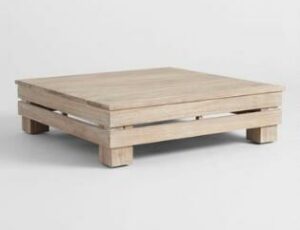
- Prioritize: We selected a bespoke teak coffee table for the lounge—its natural grain complemented the sea tones and would last generations.
- Blend: For the guest bedroom, I chose a reputable mid‑range brand offering a velvet headboard that matched the sofa’s color, creating visual continuity without a custom price tag.
Result: Maya’s villa achieved a luxurious feel, and the overall spend stayed within 10 % of her target budget. The key was mixing truly custom anchor pieces with thoughtfully selected off‑the‑shelf items.
6. Where to Find Reliable Luxury Suppliers
If you’re in Indonesia, I’ve found [CV. Luxury Home Furniture](https://www.luxuryhomefurniture.co.id) to be a trustworthy partner. Their catalogue spans solid‑wood dining sets, bespoke sofa frames, and a range of premium upholstery options. What sets them apart is a transparent customization process—design sketches, material samples, and a clear timeline—so you never feel left in the dark.
Closing Thoughts
Choosing luxury furniture is less about chasing brand names and more about aligning each piece with your daily habits, aesthetic goals, and long‑term maintenance plan. By starting with function, understanding material trade‑offs, leveraging customization wisely, budgeting strategically, and establishing a maintenance routine, you can create a space that feels both opulent and lived‑in.
If you’re ready to turn your vision into reality, reach out to a reputable provider like CV. Luxury Home Furniture and let your home reflect the quality you deserve.
Also Read: Top Collapsible Outdoor Chairs for Easy Travel and Comfort