


























Choosing the Best Folding Chairs for Outside Comfort and Durability


Choosing the Right Folding Chair for Outdoor Use: What You Need to Know Right Now
When you picture a sunny backyard barbecue or a breezy garden concert, the first thing that often feels missing is a sturdy, comfortable seat that won’t wilt after a single rainstorm. That’s where a good outdoor folding chair steps in—offering the portability of a picnic table without the bulk, while standing up to sun‑bleached heat, occasional drizzles, and the occasional spill of lemonade. In the next few minutes you’ll discover the three core factors—material resilience, ergonomic design, and smart storage—that separate a chair that lasts season after season from one that ends up in the corner of the garage.
By the end of this article you’ll be able to match a chair’s specifications to your most common outdoor scenarios, avoid the hidden pitfalls that many shoppers overlook, and feel confident selecting a seat that feels like a small piece of hospitality wherever you set it up. Ready to sit down and dive deeper? Let’s unpack the details that will keep you comfortable and worry‑free the next time you fire up the grill.
Blend Comfort With the Space You’ve Designed
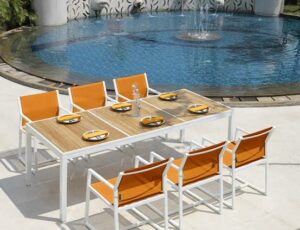
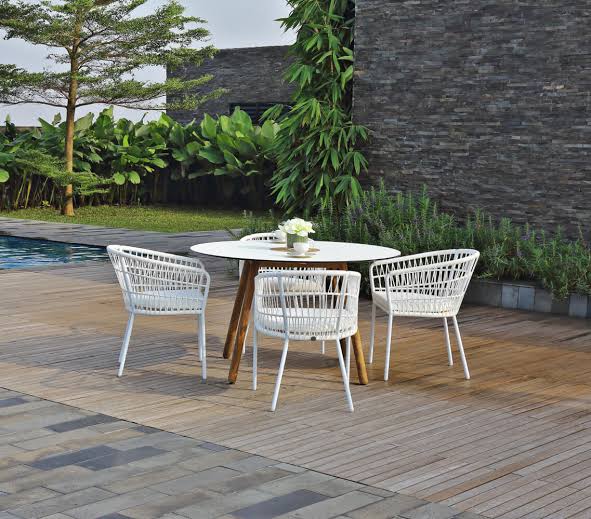
When you arrange your outdoor oasis, the chair you pick should complement the surrounding layout, not compete with it. Opt for patio table chairs that share a similar leg profile or color palette as your existing table; this visual harmony makes the setting feel intentional rather than assembled from mismatched pieces. A subtle curve in the seat back can relieve pressure on the lower back during long gatherings, turning a simple folding chair into an inviting spot for conversation. Because the frame is already designed to fold, you can easily slide the chair under a pergola or along a deck rail when the sun sets.
Choose Features That Withstand the Elements
Beyond weather‑proof fabrics, consider how the chair’s locking mechanism behaves after repeated use. High‑quality outdoor folding chairs often employ steel hinges that stay snug even after dozens of cycles, preventing the legs from wobbling on uneven ground. Pair this with a powder‑coated finish that resists rust and UV fading, and you’ll see the chair retain its original sheen year after year. If you live in a region with occasional rain, look for chairs that dry quickly; woven slats allow water to drain, reducing mildew growth and keeping the seat fresh for the next barbecue.
Keep Storage Simple and Stress‑Free
A practical advantage of a good folding chair is how it tucks away when not in use. Models that fold flat into a compact rectangle can slide into a storage bench or snugly fit beneath a garden shed door, freeing up valuable patio space. Some designs include built‑in handles or a detachable canvas strap, turning the act of stowing the chair into a quick, one‑hand motion. By selecting a chair that folds neatly without sacrificing structural integrity, you protect both your investment and the aesthetic flow of your outdoor area.
How I Pick Luxury Furniture That Actually Works for My Home (and Yours)
When I first started furnishing my own loft, I thought “luxury” meant only the biggest price tag. In my experience, the real premium comes from how a piece feels, how it ages, and whether it fits the rhythm of daily life. Below is the step‑by‑step approach I use whenever I help a client choose high‑end furniture, and it’s the same method I rely on for my own spaces. If you’re curious about a professional service that follows this philosophy, you can also check out CV. Luxury Home Furniture for similar projects.
1. Start With the “Living‑In” Test, Not the “Look‑At‑It” Test
A glossy veneer can dazzle, but the first question I ask is: Will I want to sit on this couch after a long day?
- Why it matters: Luxury upholstery often uses high‑quality leather or hand‑woven fabrics that soften over time, but they can also be stiff or overly delicate.
- How I test it: I press my hand into the cushions, bounce lightly, and imagine the weight distribution when a friend leans in for a conversation. If the piece feels supportive yet forgiving, I move forward.
2. Material Provenance and Longevity
In most cases, solid wood frames (like teak, mahogany, or reclaimed oak) outlast engineered particleboard.
- Trade‑off: Solid wood is heavier and often pricier, but it resists sagging and can be refinished if the finish wears.
- Edge case: If a client lives in a high‑humidity coastal city, I steer them toward teak or appropriately sealed mahogany, because those species tolerate moisture better than softer woods.
3. Customization Over “One‑Size‑Fits‑All”
The luxury market offers endless finishes, but I rarely recommend a default factory color.
- Why: A custom stain can tie a new dining table to existing flooring, creating visual cohesion that generic options miss.
- How: I work with the manufacturer’s design team, providing a swatch of my client’s living‑room paint. The result is a finish that “matches” rather than merely “complements.”
4. Budget Allocation: The 70‑20‑10 Rule
Even in high‑end projects, I allocate spending wisely:
- 70 % goes to the core pieces you’ll use daily (sofas, beds, dining tables).
- 20 % covers accent items that add personality (side chairs, lighting, artwork).
- 10 % reserves a buffer for unexpected needs (extra padding, protective finishes).
This split keeps the overall cost realistic while preserving the luxurious feel.
5. Maintenance Made Simple
I always ask, How much effort am I willing to invest each month?
- Leather: A quick wipe with a pH‑balanced cleaner once a week can keep it supple for years.
- Fabric: Many premium weaves are stain‑resistant, but they still benefit from a quarterly vacuum with a soft‑brush attachment.
Choosing a finish that aligns with your lifestyle prevents the “I wish I’d spent more on care” regret later.
Mini Case: The Modern Family Dinner
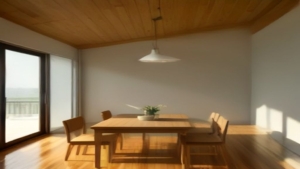
A couple I worked with loved entertaining but feared a large, formal dining set would feel too stiff for their kids. We selected a solid‑oak table with a hand‑rubbed walnut veneer—a finish that showed warmth under casual lighting yet held up to daily spills. For chairs, I opted for upholstered side chairs in a performance fabric that tolerated both crumbs and the occasional art‑project.
During their first dinner party, the kids tossed a handful of popcorn, the fabric brushed off easily, and the adults praised the table’s “rich glow.” Two weeks later, the couple called to thank me for a set that looked elegant but survived real family life.
Final Thought: Luxury Is a Balance, Not a Luxury
Choosing high‑end furniture isn’t about flaunting a brand name; it’s about aligning material quality, personal comfort, and long‑term care. By testing pieces the way you’ll use them, respecting the climate of your home, and budgeting with intention, you turn a purchase into an investment.
If you’re ready to apply this method with a team that truly understands the nuances of premium interiors, look no further than CV. Luxury Home Furniture. Their craftsmen blend the same hands‑on diligence I describe here with local expertise, ensuring every piece feels both exclusive and lived‑in.
Happy styling!
Also Read: Choosing the Best Foldable Chairs Outdoor for Comfort and Convenience