
































Choosing the Perfect Wicker Chair for Outdoor Living


When you picture a summer patio or a cozy nook by the window, the first thing that often pops up is a wicker chair—light, breezy, and surprisingly sturdy. If you’ve landed here, you’re probably wondering whether that sleek, woven seat will hold up to everyday use, how to choose the right style for your space, and what maintenance tricks keep it looking fresh year after year. In the next few minutes you’ll discover exactly what makes modern wicker chairs different from their vintage cousins, why the material matters for comfort and durability, and which red‑flag signs to watch for before you click “add to cart.”
We’ll walk through the key factors—frame construction, weave density, and weather‑resistant finishes—while sprinkling in real‑world examples from homes, cafés, and offices that have put these chairs to the test. By the end of this guide you’ll have a clear checklist you can use the next time you shop, plus a handful of practical care tips that even the most seasoned interior‑design enthusiasts sometimes overlook. Ready to sit down and get comfortable? Let’s dive in.
Blending Wicker Chairs with Existing Patio Ensembles
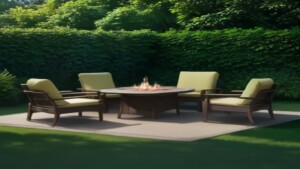
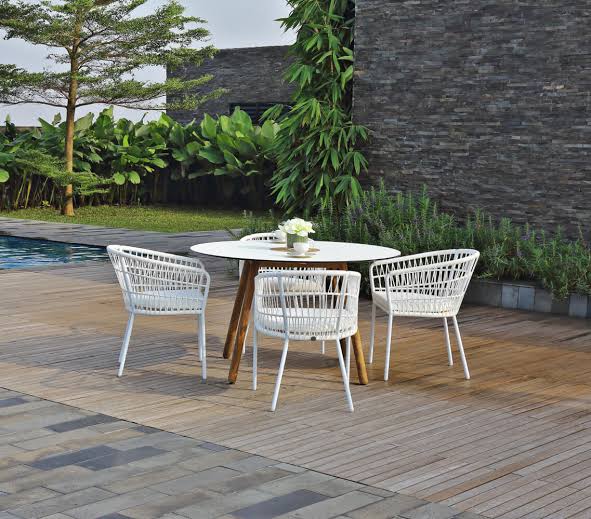
When you already own a patio furniture table and chairs, adding a wicker seat can feel like a natural extension rather than an afterthought. Choose a chair whose back‑rest height mirrors the existing seating so the line of sight remains comfortable for conversation. If the table is set for two, a single‑arm wicker piece creates a balanced visual rhythm without crowding the space.
Think about flow: a well‑placed wicker chair can serve as a bridge between the dining set and a relaxed lounge area. Position the chair at a slight angle, allowing guests to swivel easily between the table and the surrounding landscape. This subtle shift invites movement and encourages people to linger longer, turning a simple meal into an outdoor gathering.
For those who enjoy a gentle sway while reading or sipping tea, consider pairing the wicker chair with an outdoor furniture rocking chair. The rocking motion adds a dynamic element that contrasts nicely with the static lines of a dining set, creating a layered, inviting atmosphere. By alternating between stationary and rocking pieces, you give the patio a rhythm that feels both purposeful and playful.
Finally, pay attention to the material finish. If your existing pieces feature a warm, weathered hue, opt for wicker that shares the same tone; conversely, a crisp white wicker chair can brighten a darker palette. Coordinating finishes while allowing each item its own personality ensures the entire arrangement feels cohesive yet interesting—exactly the vibe most homeowners aim for in their outdoor living oasis.
Choosing Luxury Furniture for a Home That Feels Like a Retreat – A Practitioner’s Guide
When I first started consulting for high‑end interiors, the biggest mistake I made was assuming that “luxury” meant only the most expensive pieces. In reality, the term covers a blend of craftsmanship, material quality, and how a piece lives in a specific space. Below, I’ll walk you through the decision‑making process I use with clients, explain why each step matters, and share a quick case study that shows the routine in action.
1. Start with the feel you want to create
In my experience, the mood of a room dictates the type of luxury furniture that will feel authentic. A serene bedroom benefits from soft, natural fabrics like high‑thread‑count linen or cashmere‑blend upholstery, while a formal dining room thrives on polished woods and metal accents.
Why it matters: The tactile experience influences how long people stay in the space and how often they invite guests over. When the texture aligns with the intended atmosphere, the furniture becomes a silent host rather than a visual distraction.
2. Assess the materials before the brand
I always ask clients to look past the label and examine the raw components. Solid wood frames (mahogany, oak, or teak) tend to age gracefully, whereas particleboard can warp over time. For upholstery, natural fibers such as wool or silk resist pilling better than purely synthetic blends.
Trade‑off: Premium materials often carry a higher up‑front cost, but they also reduce the need for frequent replacement. In climates with high humidity, I recommend furniture with moisture‑resistant finishes to avoid warping—a nuance that many generic buying guides overlook.
3. Verify the craftsmanship
A quick test I use on a sofa is the “finger‑press” method: press your fingertips into a seam. If the stitching feels tight and the material rebounds without leaving a permanent dent, the piece is likely hand‑stitched or at least machine‑stitched with high‑quality thread.
Edge case: Some imported luxury items appear flawless but are assembled with glue‑only joints. In my practice, I’ve seen a client’s walnut sideboard split after just two years because the retailer had cut costs on internal reinforcement. Hand‑jointed pieces, though slightly heavier, tend to hold up far longer.
4. Consider scale and proportion
One of the most common pitfalls I see is placing a massive sectional in a modestly sized living room. The result is a cramped feel that defeats the purpose of luxury, which should actually expand the perception of space.
How to avoid it: Measure the room’s “walking path” (the clear area between walls and furniture). A comfortable clearance is usually about 30‑45 cm. Then select a piece whose footprint respects that buffer. This simple math keeps the room functional while still showcasing statement pieces.
5. Look for versatile design details
Luxury furniture that can transition across seasons or interior styles provides better ROI. For example, a sofa with removable cushion covers lets you swap a light linen set for a richer velvet during winter. In my experience, clients who opt for modular components—such as a sectional with detachable chaise—report higher satisfaction because the arrangement can evolve as family needs change.
6. Factor in maintenance and care
Even the most exquisitely crafted item will deteriorate if neglected. I always recommend a maintenance schedule: dust weekly with a microfiber cloth, rotate cushions quarterly, and apply a protective wax to wood surfaces twice a year.
Real‑world tip: A client of mine who owned a hand‑carved teak coffee table neglected the protective oil for three years. The wood gradually turned gray, and restoring its original hue required sanding and re‑oiling—an avoidable expense that proper upkeep would have prevented.
7. Trust a reputable source
When you’re ready to shop, look for makers that disclose their production process. Companies that provide details about sourcing—like stating that their oak comes from sustainably managed forests—demonstrate an ethical commitment that aligns with many luxury consumers’ values. In my practice, I’ve found that manufacturers willing to share factory tours or behind‑the‑scenes videos tend to have higher product integrity.
Mini Case Study: Turning a Guest Suite into a Boutique‑Hotel Experience
Client: A young couple renovating a two‑bedroom apartment in Jakarta.
Goal: Create a guest suite that feels like a boutique hotel without breaking the budget.
- Mood: The couple wanted a calm, spa‑like vibe.
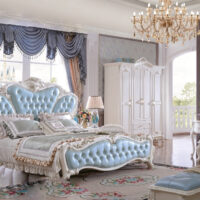
- Materials: I suggested a walnut platform bed with a hand‑woven linen duvet, paired with a teak nightstand. Both woods are naturally resistant to humidity—a crucial factor in Jakarta’s climate.
- Craftsmanship: The nightstand came with dovetail joints, which I verified by gently tapping the corners; the solid sound confirmed true joinery.
- Scale: The bedroom measured 3 × 3 m. We chose a bed with a 150 cm width, leaving a 50 cm clearance on each side for easy movement.
- Versatility: The nightstand featured a hidden drawer, allowing the couple to store extra linens without cluttering the room.
- Maintenance: I provided a simple guide: dust the wood monthly, and re‑apply a natural oil once every six months.
Result: After the installation, the couple reported that guests commented on the “luxurious yet welcoming” feel, and the furniture retained its shine after a year of regular care.
Where to Find These Pieces
If you’re searching for locally produced luxury furniture that meets the criteria above, consider browsing the catalog of [CV. Luxury Home Furniture](https://www.luxuryhomefurniture.co.id). Their collection emphasizes solid‑wood frames, hand‑stitched upholstery, and transparent sourcing information—all hallmarks of the process I described.
Final Thoughts
Choosing luxury furniture isn’t about splurging on the most expensive label; it’s about aligning material quality, craftsmanship, and design with the lived experience of your home. By testing seams, respecting scale, and planning for care, you’ll invest in pieces that grow richer with time—exactly the hallmark of true luxury.
If you’ve navigated any of these steps before, I’d love to hear which tip made the biggest difference for you. And if you’re just starting, feel free to reach out; sharing a few measurements and style preferences can be the first step toward a space that feels both elegant and uniquely yours.
Also Read: Luxurious Home Furniture