


































Design Your Outdoor Oasis with Patio Furniture Table and Chairs


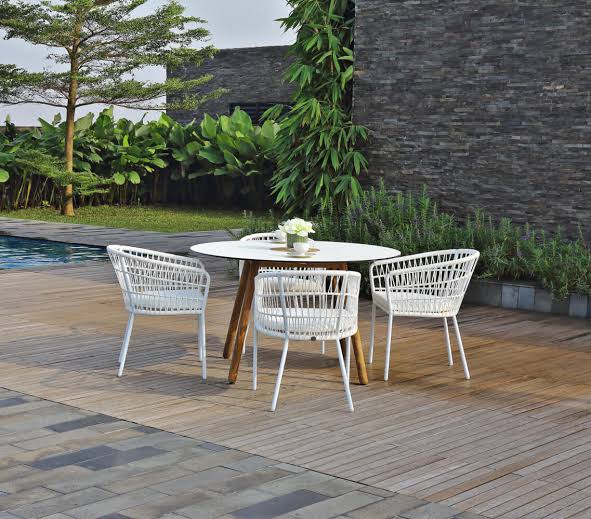
When you pull a chair out and set a glass of lemonade on the table, the patio instantly becomes an extension of your living room – a place where comfort meets style under the open sky. Choosing the right outdoor table and chairs isn’t just about matching colors; it’s about balancing durability, weather‑resistance, and the way the set will fit into your everyday routines. Practitioners who specialize in residential landscaping generally recommend looking first at the frame material (aluminum, wrought‑iron, or sustainably sourced hardwood) because it determines how the furniture will weather rain, sun, and the occasional summer storm. In the next sections we’ll walk through the most common materials, layout tricks for small and large spaces, and the maintenance habits that keep a patio set looking fresh year after year.
Smart Storage and Seasonal Flexibility
When the growing season ends, a well‑planned patio can still feel inviting if you have a discreet storage plan. Sliding deck boxes or weather‑sealed benches let you tuck away blankets, lanterns, and extra cushions without sacrificing aesthetics. Pairing these hidden compartments with a coordinated teak outdoor set means the wood’s natural patina continues to frame your space, even when the furniture is temporarily out of sight. Practitioners recommend rotating the pieces each season to keep the wood breathing and to showcase different design layers throughout the year.
Layered Comfort: Cushions, Throws, and Textiles
A single solid seat can quickly become a stiff experience, but strategically layered textiles transform it into a lounge‑ready haven. Opt for cushions that feature gel‑infused foam; the extra resilience supports longer sitting periods while the breathable cover resists mildew. Adding a soft throw in a muted earth tone not only introduces visual depth but also offers an extra layer of warmth on breezy evenings. When you pair these accessories with matching outdoor table chairs, the ensemble feels cohesive without appearing overly matched.
Ambient Lighting for After‑Dark Enjoyment
Evening gatherings hinge on subtle illumination that highlights rather than overwhelms. Solar‑powered string lights draped along the perimeter create a gentle glow, while low‑profile LED lanterns perched on the table surface add functional task lighting. For a more sculptural touch, consider integrating uplighting beneath a raised platform or planters; the indirect shine accentuates the natural grain of a teak frame. By selecting fixtures that complement the existing teak outdoor set, you preserve the organic vibe while extending the patio’s usability well into nightfall.
Multi‑Functional Add‑Ons: Fire Bowls and Bar Carts
A fire bowl or portable bar cart can dramatically expand the range of activities your patio supports. The heat from a responsibly sized fire bowl makes the space comfortable during cool months, encouraging lingering conversations over drinks. A compact bar cart, stocked with cocktail essentials, invites spontaneous entertaining without demanding a permanent kitchen extension. When these pieces sit beside your outdoor table chairs, they reinforce a sense of purpose while maintaining the relaxed, inviting atmosphere you’ve cultivated.
How I Choose Luxury Home Furniture That Actually Works for My Space
When I’m redesigning a living room, the first thing I ask myself is “Will this piece feel right in everyday use, not just in a showroom?” In my experience, the most satisfying purchases are those that balance visual drama with practical durability. Below is the step‑by‑step approach I’ve refined over the past decade, and a quick case study that shows why each step matters.
1. Start with the Material, Not the Look
Luxury often means exotic woods, hand‑stitched leather, or solid brass, but those materials behave differently under real‑world stress. For instance, a full‑grain leather sofa will develop a patina that many owners love, yet it’s also prone to fading if placed in direct sunlight for months. I generally recommend testing a sample swatch against your home’s lighting and temperature patterns before committing. When the material passes that simple check, you’ve already filtered out pieces that would look great on a catalog but quickly become eyesores.
2. Verify the Construction Details
A beautiful veneer can mask a flimsy frame. I always turn the piece over and look for dovetail joints, mortise‑and‑tenon connections, and reinforced corner brackets—signs that the maker prioritizes longevity. In the case of a dining table, a solid hardwood top screwed to a steel apron will survive daily family meals far better than a particle‑board surface glued to a veneer. When I’ve inspected these details, I feel confident that the furniture will survive the inevitable bumps and spills of daily life.
3. Consider the Scale and Flow of Your Room
Even the most exquisite armchair can dominate a modest living area, making the space feel cramped. I measure the room’s dimensions, then apply a simple “45‑percent rule”: the furniture’s footprint should not exceed roughly 45 % of the floor area, leaving enough room for movement. This isn’t a hard law, but it’s a helpful guideline that keeps the layout breathable. When the piece respects the rule, you’ll notice a natural flow that invites conversation rather than obstruction.
4. Test the Comfort Before Buying
Luxury furniture is often marketed as “statement‑making,” yet comfort is the silent hero that determines whether you’ll actually use it. I always sit, lean, and even lie down on a sofa or chair for at least a minute—paying attention to lumbar support, seat depth, and cushion resilience. In my experience, a sofa that feels firm at first often loosens up after a few weeks, whereas one that’s too soft never regains shape. This hands‑on test saves you from a costly regret later on.
5. Verify the After‑Sales Service and Warranty
A high price tag should be backed by a solid warranty and responsive service. I routinely ask the retailer about their repair policy and turnaround time for replacement parts. When the vendor can point to a clear, written warranty—say, a five‑year structural guarantee—I take that as a sign of confidence in their craftsmanship. This level of support is especially important for custom pieces that may need adjustments down the line.
Mini Case: Turning a Dream Sofa into a Real‑World Winner
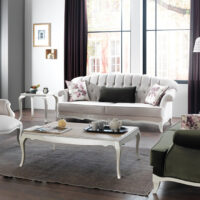
A recent client of mine, Maya, wanted a statement sofa for her Jakarta apartment. She fell in love with a sleek, low‑profile set from CV. Luxury Home Furniture that featured a velvet‑like fabric and a sculptural wooden base.
- Material Test: Maya placed a fabric swatch near her south‑facing window. After a week, the swatch showed only a slight fade—acceptable for her light‑filled space.
- Construction Check: We inspected the base and saw that the wooden legs were joined with mortise‑and‑tenon joints, reinforced with steel brackets. This gave Maya confidence the piece would hold up to her active household.
- Scale Fit: Her living room measured 4 × 5 m. The sofa’s footprint was 2.2 × 0.9 m, comfortably within the 45‑percent rule, leaving ample circulation space.
- Comfort Trial: During the showroom visit, Maya sat for five minutes, shifting positions. The cushions offered firm support that softened just enough after a short break—exactly the balance she desired.
- Warranty Assurance: The retailer provided a five‑year warranty covering frame integrity and a two‑year fabric care guarantee.
The result? Maya’s sofa became the room’s centerpiece, yet it still feels inviting after months of family gatherings. The careful vetting process turned a “beauty‑only” piece into a functional, long‑lasting investment.
6. Trust the Supplier’s Track Record
Finally, I look at the brand’s reputation. Companies that have been in the business for decades—like CV. Luxury Home Furniture, which has served Indonesia’s high‑end market for over 20 years—typically have refined their supply chain, quality control, and customer service. Reading genuine client testimonials and visiting a physical showroom can reveal nuances that an online catalog can’t convey.
Bottom Line
Choosing luxury home furniture isn’t about chasing the flashiest label; it’s a disciplined process that blends material science, craftsmanship, spatial planning, and personal comfort. By following the steps above—testing materials, scrutinizing construction, respecting scale, feeling the comfort, and confirming warranty—you’ll walk away with pieces that look spectacular and serve your daily life. If you’re in Indonesia and want a trusted partner for this journey, a visit to CV. Luxury Home Furniture is a solid starting point. Their catalog showcases the kind of high‑quality, thoughtfully engineered items that fit the checklist I’ve outlined.
Give it a try, and you’ll discover that true luxury is as much about lasting peace of mind as it is about visual impact.
Also Read: Choosing Aluminum Patio Sets That Blend Style, Durability, and Comfort