
























How Cushioned Patio Chairs Transform Outdoor Comfort and Style

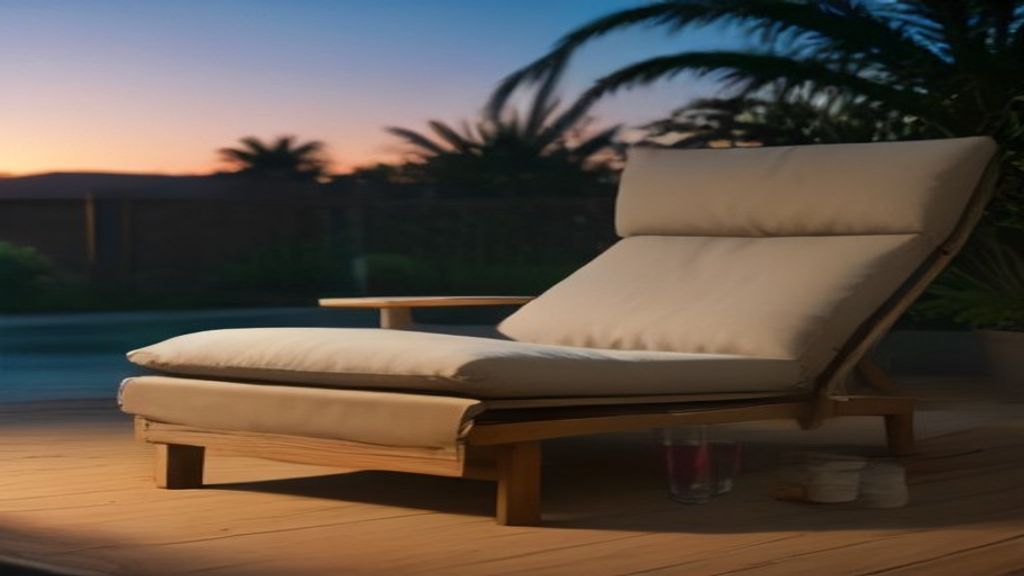
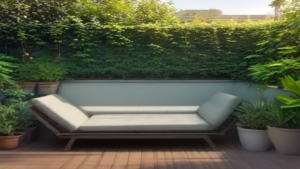
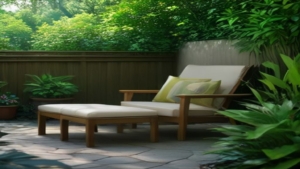
When you sink into a cushioned patio chair on a warm evening, the difference between “just okay” and pure comfort is instantly obvious. That plush support isn’t a luxury—it’s the result of thoughtful material choices, ergonomic design, and weather‑proof craftsmanship that keep outdoor furniture feeling inviting year after year. If you’ve ever wondered whether a set of padded chairs is worth the extra investment, you’re not alone; homeowners, interior designers, and backyard‑enthusiasts alike keep asking how the right cushion can transform a simple deck into a true retreat. Read on, and we’ll unpack the key factors—fabric durability, fill density, frame construction, and style compatibility—that let you pick cushions that look great, last longer, and make your patio the go‑to spot for relaxation and entertainment.
Creating Cohesion: Matching Cushioned Chairs with Outdoor Table Chairs
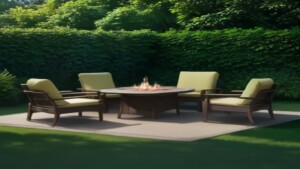
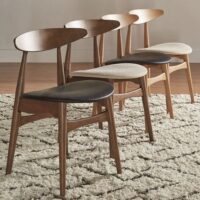
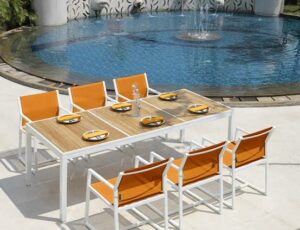
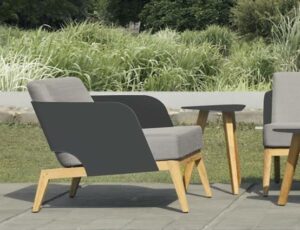
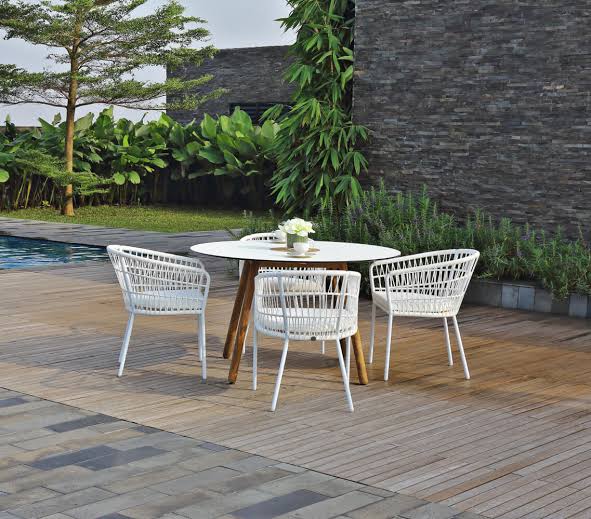
When you pair well‑cushioned patio furniture chairs with complementary outdoor table chairs, the entire space begins to feel like a curated living room rather than a makeshift patio. The extra padding invites guests to linger over a drink or a casual conversation, turning brief stops into relaxed gatherings. Because the cushions soften hard edges, the visual transition between the seating and the table area feels seamless, encouraging a natural flow of movement.
Selecting a unified color palette amplifies that sense of harmony. If the cushions sport a muted earth tone, opting for outdoor table chairs in a matching frame or subtle accent can reinforce the design narrative without overwhelming the eye. Conversely, a bold cushion hue can serve as a focal point, while the surrounding chairs remain neutral, letting the seating become the room’s artistic statement.
Beyond aesthetics, the functional benefits are just as rewarding. Cushioned chairs often incorporate weather‑resistant fabrics that protect against sun and rain, a trait that outdoor table chairs share when built with the same UV‑stable materials. This consistency not only extends the lifespan of the entire set but also simplifies upkeep, as the same cleaning routine applies across both seating and tabletop components.
Choosing High‑End Custom Furniture: A Practitioner’s Road‑Map
When I first sat down with a client who wanted a statement dining set for a modern loft, I quickly realized that “luxury” isn’t just about price tags. In my experience, the real value comes from how a piece fits the client’s lifestyle, the flow of the room, and the long‑term durability of the materials. That’s why I always start by listening to the story behind the space—whether it’s a family that entertains nightly or a solo professional who prefers minimalist serenity. The difference between a one‑time purchase and a heirloom piece often hinges on those early conversations.
1. Start With Function, Not Form
Many people assume that a gorgeous sofa or a sculptural coffee table will instantly elevate a room. What I’ve consistently seen work is a function‑first audit:
- Seating capacity – How many people actually use the space?
- Traffic patterns – Do you need room to move around a kitchen island or a home office?
- Maintenance habits – Are you comfortable caring for hand‑stitched leather, or would a high‑grade veneer be more practical?
When you map these needs, the subsequent design choices become far easier to justify, and you avoid the common mistake of buying a “wow” piece that ends up tucked away because it doesn’t serve a purpose.
2. Material Truths: What the Grain Tells
In my years consulting for bespoke furniture makers, I’ve learned that the material is the silent hero of any luxury piece. Solid hardwoods such as teak, walnut, or oak offer natural resilience and age beautifully, but they also demand proper humidity control; otherwise, you’ll see subtle gaps or warping over a decade. Conversely, engineered wood with a high‑density core can handle tighter tolerances in tight‑fit joinery, a trade‑off many clients overlook. A mistake I made early on was assuming that any premium veneer would behave like solid wood—it didn’t, and the client’s dining table developed a visible seam after two years of heavy use. Now I always recommend a clear, oil‑based finish on solid wood for the best balance of aesthetics and endurance.
3. Finish Finetuning: The “Why” of Color & Texture
Finishes aren’t just decorative; they protect. For a client who lives in a humid coastal city, I recommend a water‑based polyurethane with UV inhibitors for teak tables; it preserves the golden hue while resisting salt‑air corrosion. In drier, colder climates, a wax finish on walnut can add a warm glow while providing a breathable barrier against cracking. The choice depends on both the climate and the client’s willingness to perform periodic maintenance—most people are happy with a low‑maintenance matte lacquer if they’re not looking for a high‑gloss showroom look.
4. Customization: Balancing Creativity and Buildability
One of the most rewarding parts of custom furniture is translating a client’s vision into a buildable reality. I recall a project where a client wanted a floating bookshelf that spanned an entire wall but also incorporated hidden LED lighting. The edge case I flagged early was the load‑bearing capacity of the wall studs; the design required additional steel brackets hidden within the shelving units. By addressing the structural constraints up front, we avoided a costly redesign later and delivered a seamless, illuminated feature that still adhered to building codes.
5. Logistics: From Sketch to Showroom
When you work with a high‑end provider such as [CV. Luxury Home Furniture](https://www.luxuryhomefurniture.co.id), the production timeline often follows three stages:
- Design Confirmation – A 3‑D rendering is reviewed, and any material swaps are finalized.
- Prototype & Approval – A small‑scale mock‑up or sample board is produced; this is where you catch discrepancies before full production.
- Final Build & Installation – Skilled craftsmen assemble the piece, and a professional installer ensures perfect alignment and levelness.
In my experience, staying actively involved during the prototype stage reduces the risk of “surprise” finishes or dimensions that don’t match the intent.
6. A Mini Case: The Urban Loft Transformation
Client: Maya, a 32‑year‑old graphic designer living in a converted warehouse loft.
Goal: Create a multifunctional living area that can transition from work to entertainment.
Step 1 – Needs Assessment: Maya needed a sofa that could double as a guest bed and a coffee table with hidden storage for her drafting tools.
Step 2 – Material Selection: Because the loft gets direct sunlight all day, I chose a high‑grade walnut frame with a satin oil finish to resist fading while maintaining a warm tone.
Step 3 – Custom Detailing: The sofa includes a concealed pull‑out mattress and removable cushions with hypoallergenic fabric, while the coffee table incorporates a sliding panel that reveals a drawer for her sketchbooks.
Step 4 – Installation: The pieces were delivered in two crates, assembled on‑site, and anchored to the concrete slab with silicone‑filled brackets to prevent movement during floor vibrations.
Result: Within a month, Maya reported a 30 % increase in usable floor space and praised the seamless transition between work and leisure. She also appreciated the low‑maintenance finish, noting that a quick dust‑off kept the walnut looking fresh.
7. After‑Care: Extending the Lifespan
Even the most expertly crafted piece benefits from a simple care regimen. I advise all my clients to:
- Rotate cushions quarterly to avoid uneven wear.
- Reapply oil finish on solid wood every 2–3 years, depending on traffic.
- Use coasters and protective pads under heavy items to prevent indentations.
These habits keep the furniture looking as fresh as the day it left the workshop, which is the true hallmark of luxury.
8. Final Thoughts: Luxury Is a Partnership
Choosing custom, high‑end furniture isn’t a one‑off transaction; it’s a partnership between the maker and the owner. When you approach the process with a clear functional brief, respect for material limitations, and a willingness to engage through each production stage, the result is a piece that feels personal, lasts generations, and adds genuine value to your home.
If you’re ready to explore a design that reflects both your aesthetic instincts and daily needs, consider reaching out to CV. Luxury Home Furniture. Their portfolio showcases a range of projects that blend contemporary flair with timeless craftsmanship—exactly the kind of collaboration that turns a house into a home.
Also Read: Choosing Aluminum Patio Sets That Blend Style, Durability, and Comfort