





























Choosing the Best Aluminum Patio Sets for Durable Outdoor Living


Why an Aluminum Patio Set Might Be Your Best Summer Investment
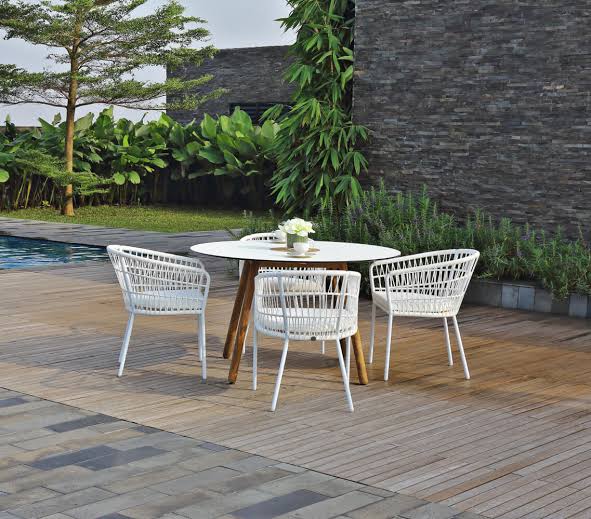
If you’ve been scrolling through endless catalogs wondering whether a metal, wood, or wicker outdoor table will survive the next heat wave, you’re not alone. Aluminum patio sets have quietly become the go‑to choice for homeowners who want durability without the hefty price tag of stainless steel, and they do it while staying lightweight enough for a quick rearrange on a breezy evening. Based on what landscape designers and seasoned DIY‑ers report, the alloy’s natural resistance to rust, UV‑induced fading, and warping means you’ll spend far less time on maintenance and more time enjoying the space you’ve created.
In the next few minutes we’ll walk through the science that gives aluminum its edge, the design details that make modern sets both stylish and functional, and the practical tips you need to match the right set to your patio’s size, climate, and budget. By the end, you’ll know exactly which features to look for and how to avoid the common pitfalls that turn a promising purchase into a frustrating disappointment. So, let’s dive in and discover whether an aluminum patio set is the missing piece of your outdoor oasis.
Blend Comfort and Style with Complementary Pieces
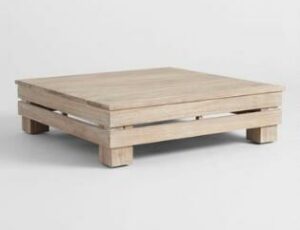
When you’ve chosen a sturdy aluminum base, think about the softer elements that will complete the scene. Adding an outdoor furniture rocking chair introduces gentle motion without sacrificing durability; the metal frame absorbs the wind while the cushioned seat invites lingering conversations. Likewise, a chaise lounge chair positioned beside a coffee table extends the lounging zone, allowing guests to stretch out after a meal without crowding the main seating area.
Mixing these pieces also offers practical benefits: the rocking chair’s low profile frees up space for potted herbs, and the chaise lounge’s adjustable back supports sun‑seeking readers in comfort. By pairing them with your aluminum set, you create a harmonious balance of structure and relaxation that feels both intentional and inviting.
How to Choose Luxury Furniture for Your Home – A Practitioner’s Guide
When I first started consulting for high‑end interiors, the biggest mistake I made was chasing the flashiest pieces without checking how they would live in a real home. A marble coffee table looks stunning in a showroom, but after a few weeks of daily use the edges can start to show tiny scratches from coffee mugs. That lesson taught me to balance visual impact with everyday durability, and it’s the same balance I recommend to anyone looking to invest in luxury furniture.
1. Start With the Room’s Function, Not the Trend
In my experience, the most satisfying rooms start with a clear purpose. If a space is meant for family gatherings, I prioritize sturdy frames—solid oak or reinforced steel—over avant‑garde lacquer finishes that can chip easily. Conversely, a formal sitting room that sees occasional use can accommodate more delicate materials such as hand‑carved walnut or silk‑upholstered chairs. Understanding the “how often” and “how intensely” the furniture will be used is the first step toward a lasting purchase.
2. Know the Materials Inside Out
Luxury furniture isn’t just about price; it’s about provenance. When I tested a series of Italian leather sofas, the ones sourced from the Tuscany region retained their suppleness even after years of exposure to sunlight, while a cheaper “luxury‑look” leather began to crack within months. Generally, natural fibers (wool, cashmere) and solid woods (mahogany, teak) age better than synthetic counterparts, though they require occasional care—like rotating cushions or applying a light oil finish to wood every six months.
3. Consider the Scale and Proportion
A common edge case I see is a client who loves a massive, sculptural armchair but forgets that their living room is already cramped. I always measure the floor space first, then stand back and picture the flow of traffic. If a piece occupies more than one‑third of the room’s width, it can dominate the space and make the area feel smaller rather than larger. A good rule of thumb is: the furniture’s height should sit comfortably between the eye level of a seated person (about 110 cm) and the ceiling line, creating a harmonious vertical rhythm.
4. Invest in Timeless Design Elements
Design trends come and go, but certain silhouettes—like a classic Chesterfield sofa or a tapered leg dining table—remain relevant for decades. When I recently sourced a reclaimed walnut dining set for a client in Jakarta, the piece blended contemporary minimalism with a heritage feel, allowing the homeowner to swap out cushions or add a modern rug without looking dated. Choosing pieces that have a heritage or craft story also adds intangible value that resale markets tend to reward.
5. Test Comfort Before You Commit
Even the most beautifully crafted chair can become a regret if it doesn’t suit your body. I always sit in a chair for at least ten minutes, adjusting my posture and noting any pressure points. If you have the chance, ask the retailer if the piece can be returned or exchanged after a short trial—many high‑end showrooms, including those at [CV. Luxury Home Furniture](https://www.luxuryhomefurniture.co.id), understand that comfort is as critical as aesthetics.
Mini Case: A Real‑World Transformation
A client approached me wanting a “wow factor” for a compact living room of about 25 m². She loved a bold, low‑back velvet sofa she had seen online, but her home also hosted weekly dinner parties. I suggested a slightly larger, high‑back sofa in a muted charcoal linen, paired with a reclaimed oak coffee table that had a hidden storage drawer. The sofa’s deeper seat accommodated guests comfortably, while the coffee table’s hidden compartment kept remotes and coasters out of sight. After installation, the client reported that the room felt both luxurious and functional—a balance she hadn’t achieved with the original piece.
6. Plan for Maintenance Early
Luxury finishes demand a care routine. For example, teak outdoor furniture should be oiled annually to maintain its golden hue, whereas polished brass legs need a gentle microfiber cloth to prevent tarnish. I often give my clients a simple checklist: dust weekly, rotate cushions quarterly, and schedule a professional deep‑clean annually. Even a small investment in proper upkeep can extend a piece’s life by many years.
7. Budget With Flexibility
While the word “luxury” suggests an unlimited budget, most clients benefit from a mixed‑price approach. Allocate roughly 60 % of the budget to foundational pieces (sofa, dining table), 30 % to statement items (sculptural sideboard, custom lighting), and keep the remaining 10 % for accessories and contingencies. This structure lets you splurge on a signature piece—like a hand‑crafted Murano glass chandelier—without compromising the overall cohesion of the room.
8. Work With Trusted Artisans
Finally, the source matters. When I partnered with a Jakarta‑based workshop that specializes in hand‑stitched leather, the turnaround time was longer, but the craftsmanship was evident in the even stitching and sturdy frame. Choosing artisans who stand behind their work, provide warranties, and share the story behind each piece adds confidence that the furniture will stand the test of time.
Bottom line: Selecting luxury furniture is less about chasing the latest label and more about aligning material quality, functional fit, and personal comfort. By treating each piece as an investment—both aesthetic and practical—you create a home that feels upscale today and retains its value tomorrow. If you’re ready to explore curated options that meet these criteria, I recommend checking out [CV. Luxury Home Furniture](https://www.luxuryhomefurniture.co.id), where the inventory reflects the balance of design, durability, and artisanal heritage discussed above.
Also Read: Choosing the Perfect Outdoor Dining Table for Your Backyard Oasis