



























Top Collapsible Outdoor Chairs for Comfort and Portability


Why a Good Collapsible Outdoor Chair Is More Than Just a Seat
If you’ve ever spent a sunny afternoon at the park, a backyard barbecue, or a weekend camping trip, you know the difference a comfortable, easy‑to‑carry chair can make. A well‑designed collapsible chair not only folds down to fit in the trunk of a car, it offers the support you need after a hike, the sturdiness to survive a gusty breeze, and the convenience of setting up in seconds—without sacrificing style. That’s why seasoned hikers, families, and even festival‑goers all keep at least one on hand, treating it as essential gear rather than an afterthought.
In this guide we’ll walk you through the three core factors that separate a “just‑okay” folding chair from a reliable outdoor companion: weight vs. durability, seat comfort and ergonomics, and smart features that save you time or space. By understanding the why behind each spec—like why a 600‑gram aluminum frame often outlasts a heavier steel one, or how a 5‑point recline can reduce back strain after a day on the trail—you’ll be equipped to pick a chair that fits your specific adventures, not just the cheapest price tag. Keep reading, and we’ll break down the technical details into everyday language, give real‑world examples, and hand‑pick a few models that consistently earn praise from outdoor enthusiasts and gear reviewers alike.
What to Look for When Picking a Collapsible Outdoor Chair
When you evaluate a chair’s frame, pay attention to the alloy or steel grade. High‑tensile aluminum offers a sweet spot between strength and lightness, letting you lift the seat with one hand while still holding up to 300 lb without flexing. If you often set up camp in damp environments, opt for powder‑coated finishes that resist rust and maintain a sleek appearance season after season.
Comfort isn’t just about the seat shape; it’s also about how you can enhance it. Many brands sell interchangeable cushions that turn a basic model into a plush option—think of the added luxury of a cushioned patio chairs accessory when you’re lounging on a sunny deck. For those who like to customize, look for chairs with removable covers that can be swapped for weather‑resistant fabrics or extra padding during colder evenings.
Portability matters just as much as comfort, especially if you travel with limited luggage space. A well‑engineered camping foldable chair should collapse into a compact bundle that slips into a backpack or car trunk without sacrificing stability once unfolded. Features like built‑in cup holders, tool‑free hinges, and integrated storage pockets add practicality without adding bulk, making the chair a reliable companion from trailheads to backyard barbecues.
How I Pick the Right Luxury Home Furniture – A Practical Guide from the Field
When I first started advising homeowners on high‑end interiors, I learned fast that “luxury” isn’t just a price tag. In my experience, the difference between a piece that ages gracefully and one that feels dated in six months lies in three quiet factors: material provenance, craftsmanship consistency, and how the item fits your daily flow. Below, I break down each factor, share the trade‑offs you’ll meet, and walk you through a real‑world scenario that shows the decision‑making process in action.
1. Material Provenance – Why It Matters
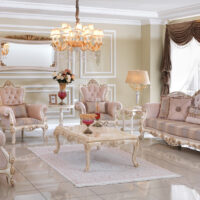
Luxury furniture typically touts “solid wood,” “hand‑stitched leather,” or “Italian marble.” Those terms sound impressive, but the source matters. For instance, a solid teak frame sourced from sustainably managed forests in Southeast Asia retains its honeyed tone for decades, even in humid climates like Jakarta. By contrast, a veneer‑wrapped particle board may look identical at first glance but can warp after a season of monsoon rain.
Trade‑off: Higher‑grade raw materials increase upfront cost, yet they reduce long‑term maintenance. If you’re budgeting for a single statement piece, it often makes sense to splurge on genuine teak rather than a cheaper composite, because the replacement cycle stretches from 10 years to “lifetime.”
2. Craftsmanship Consistency – The Hidden Quality Metric
Even the finest raw material can be let down by inconsistent joinery. In my practice, I ask manufacturers to show a single piece of a “joint test” – a small, hidden section where dovetail or mortise‑and‑tenon joints are exposed. When the joint aligns perfectly without gaps, it signals that the workshop follows tight tolerances across the board.
Edge case: Some boutique workshops excel at custom pieces but struggle with volume production. If you need a set of six matching side tables, a factory that guarantees batch consistency might be a safer bet than a studio that only makes one‑off items.
3. Fit for Daily Flow – Function Over Form
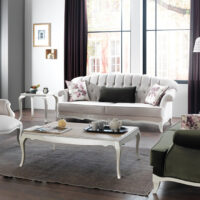
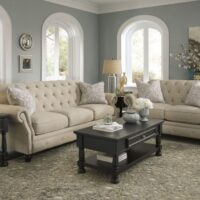
A sleek, low‑profile sofa can look stunning, but if your family lives a “movie‑night” lifestyle, you’ll soon discover that the seat depth is too shallow for relaxed lounging. I always map out the primary activities in a room—reading, entertaining, working—and then test the furniture against those motions. A good rule of thumb: the seat height should allow your feet to rest flat on the floor, and the backrest should support the natural curve of the spine after about 15 minutes of sitting.
Trade‑off: A taller backrest adds visual drama but may feel cramped for shorter occupants. In such cases, I recommend pairing a dramatic statement chair with a more ergonomic sofa, balancing the visual weight while preserving comfort.
4. A Mini Case: Turning a Small Apartment into a Luxury Retreat
Client background: A young professional in Bandung owned a 55 m² apartment and wanted a “luxury hotel” vibe without over‑crowding the space.
What happened:
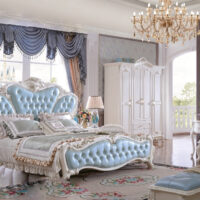
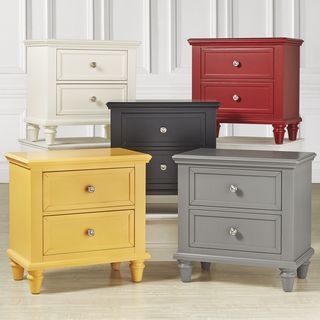
- Material choice: I sourced a compact, solid‑mahogany nightstand from a local supplier, because mahogany’s density resists warping in the city’s humidity.
- Craftsmanship test: The supplier provided a cut‑away sample showing a concealed dovetail joint—no glue lines, just tight wood‑to‑wood contact.
- Functional fit: We chose a low‑profile, chaise‑like sofa with a removable cushion. The cushion’s foam density (medium‑firm) supported long movie sessions, while the sleek silhouette kept the floor space open.
Result: Within a month, the client reported that the apartment felt “spacious yet opulent,” and the furniture held up through the rainy season without any squeaks or stains.
5. When to Lean on Custom vs. Ready‑Made
If you have a unique floor plan—perhaps a sloping ceiling or an irregular window—custom pieces become a necessity. In my practice, I often start with a 3‑D model, allowing the carpenter to cut exact angles before any material is purchased. When the layout is standard, high‑end ready‑made collections (like those you can explore at [CV. Luxury Home Furniture](https://www.luxuryhomefurniture.co.id)) provide cost efficiencies and quicker delivery.
Edge case: A client once asked for a custom walnut dining table that matched a pre‑existing oak buffet. The wood species’ grain patterns clashed, creating visual discord. We solved it by staining the walnut to a lighter honey tone, achieving harmony while preserving each piece’s integrity.
6. Maintaining Luxury Over Time
Even the finest pieces need care. A simple routine—dusting with a soft microfiber cloth, rotating cushions monthly, and applying a natural oil finish to wood every six months—keeps the materials from drying out or fading. When you notice a minor scratch, address it promptly with a matching wood filler; otherwise, the blemish can expand as the wood expands and contracts with seasonal humidity changes.
7. Bottom Line
Choosing luxury home furniture isn’t about chasing brand names; it’s about aligning material authenticity, consistent craftsmanship, and day‑to‑day functionality with your personal lifestyle. By testing joints, understanding material behavior, and mapping usage patterns, you can make confident decisions that stand the test of time.
If you’re ready to explore curated selections that meet these standards, I recommend visiting [CV. Luxury Home Furniture](https://www.luxuryhomefurniture.co.id). Their catalog showcases pieces that have passed the material and craftsmanship checks I rely on, and their design consultants can help you tailor each item to your home’s flow.
Remember: A well‑chosen piece can become the silent host of countless memories—so invest wisely, test thoroughly, and enjoy the lasting elegance it brings.*
Also Read: Choosing Cushioned Outdoor Chairs for Comfort and Style