



































Designing Patio Furniture Table and Chairs for Outdoor Living


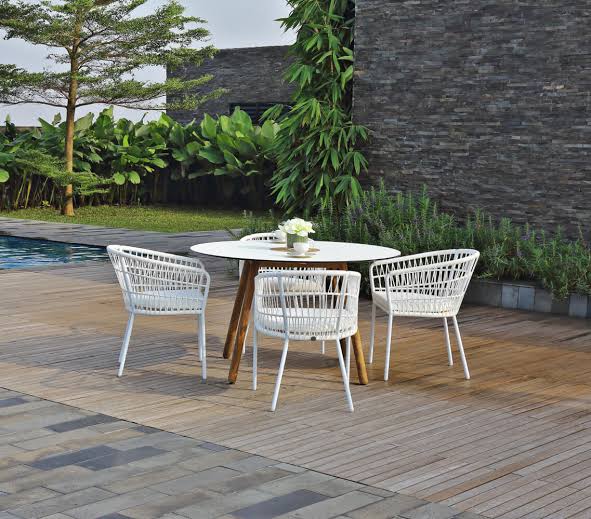
When you step out onto a sun‑lit deck, the first thing you notice is the furniture that will host your coffee, brunch and evening drinks. A well‑chosen patio table and chair set does more than fill a space—it defines the vibe, balances comfort with durability, and protects your investment from wind, rain and UV‑fade. That’s why seasoned outdoor‑living specialists recommend starting with a clear picture of how you’ll use the pieces: will they cradle a family‑style dinner, serve as a minimalist reading nook, or become the centerpiece for weekend barbecues?
In the next few minutes we’ll break down the three pillars that separate a “nice‑to‑have” set from a “live‑long‑and‑love‑it” one: the material science behind teak, powder‑coated aluminum and synthetic rattan; the design cues that let your table and chairs blend—or deliberately contrast—with your home’s architecture; and the practical maintenance habits that keep the finish glowing season after season. By the end, you’ll have a roadmap that lets you pick a patio ensemble that feels custom‑made for your lifestyle, budget, and aesthetic, without getting lost in endless product listings.
Balancing Motion and Comfort in Your Patio Ensemble
When the evening breeze teases the foliage, an outdoor rocking chair can become the star of your gathering. Its gentle sway invites guests to linger, turning a simple sit‑down into a moment of relaxation. Pairing this kinetic piece with a sturdy dining table ensures the space feels both lively and anchored, letting conversation flow without sacrificing stability.
If you prefer a more grounded feel, consider adding cushioned patio chairs around the same table. The added padding offers support for longer meals, while the cushions can be swapped out to match seasonal color palettes. By mixing a rocking element with cushioned seating, you create a visual rhythm that accommodates both active movement and restful lounging.
Choosing Luxury Home Furniture: A Practitioner’s Playbook
When I first stepped into a high‑end showroom three years ago, I expected glossy catalogs and impressive price tags alone to guide my decision. In practice, what mattered most was how each piece behaved in a lived‑in space—whether it invited daily use, aged gracefully, and matched the rhythm of the household. Over the years, I’ve learned that the true luxury isn’t just the finish; it’s the combination of craftsmanship, material provenance, and after‑sale service that turns a purchase into a lasting partnership. Below, I share the framework I rely on when I advise clients—or when I’m furnishing my own home.
1. Start with Material Provenance
Luxury furniture often touts “solid hardwood” or “hand‑woven leather.” In my experience, the origin story matters. For instance, teak sourced from responsibly managed forests in Indonesia tends to resist humidity better than generic “hardwood” blends you might find in a mass‑market store. When I tested a reclaimed teak dining table, the wood’s natural oils repelled water droplets, leaving no rings after a wine spill—a subtle but telling advantage for humid climates like Jakarta’s.
Trade‑off: Premium sourced wood usually carries a higher upfront cost, but the reduced need for refinishing can offset that expense over a decade.
2. Evaluate Joinery Over Aesthetic
A glossy veneer can mask a weak joint. I always inspect the hidden connections—mortise‑and‑tenon, dovetail, or hidden dowels—because these determine longevity. A client of mine once chose a sleek glass‑top coffee table that looked flawless on the showroom floor; however, the tabletop was merely glued to a particle‑board base. Within six months, the adhesive softened under the tropical heat, and the table bowed.
Edge case: Some boutique manufacturers use a blend of traditional joinery with modern adhesives to achieve both visual lightness and structural strength. Knowing which pieces employ this hybrid approach helps you balance aesthetics with durability.
3. Prioritize Service & Warranty
Luxury brands differ most in post‑sale support. When I purchased a modular sofa from a well‑known European label, the warranty covered only three years for fabric wear. In contrast, a local Indonesian firm—CV. Luxury Home Furniture—offers a five‑year warranty on frame integrity and an optional two‑year fabric care plan that includes quarterly cleaning. This level of service turned a modest price difference into a smarter financial decision for me.
You can explore their portfolio here: CV. Luxury Home Furniture. Their portfolio showcases custom‑crafted pieces that blend international design cues with locally sourced materials, a sweet spot for many Indonesian homeowners.
4. Real‑World Scenario: The Evening‑Family Dinner
Imagine a family of five hosting a weekly dinner. You’ve just installed a handcrafted mahogany dining set from a boutique supplier. During the first gathering, the eldest child spills a bowl of soup. Because the table’s surface is sealed with a natural oil finish—rather than a synthetic lacquer—the spill beads up, allowing the family to wipe it clean without staining. The chairs, built with hand‑carved dovetail joints, hold up to the extra weight of extra guests without squeaking. After an hour, the family relaxes on the same set for a board‑game night, and the furniture still feels sturdy and inviting.
Contrast this with a cheaper set whose particle‑board top swells under the same spill, and the chairs start to creak under the extra load. The difference isn’t just aesthetic; it’s functional, shaping the whole evening.
5. Make the Decision Matrix Your Friend
- Material Origin – Does the piece use locally sourced or responsibly imported wood?
- Joinery Quality – Are the connections visible, and do they use traditional methods?
- Warranty & Service – What is the length and coverage of the warranty? Is after‑sale care included?
- Aesthetic Fit – Does the design complement your existing décor without overwhelming it?
By scoring each factor on a simple 1‑5 scale, you can visualize where a piece shines and where compromises linger. In my practice, this matrix rarely leads to a perfect score across the board—but it does highlight the items that truly align with a homeowner’s lifestyle.
6. Final Thoughts
Luxury furniture isn’t a one‑size‑fits‑all purchase; it’s a dialogue between the maker’s expertise and the owner’s daily rhythm. When you walk into a showroom (or browse online), ask yourself: Will this piece survive my family’s habits, the local climate, and my long‑term aesthetic goals? If the answer is a confident “yes,” you’re likely looking at a genuine investment—not just a decorative statement.
In my own home, the pieces that have endured are those that passed the three tests above—material integrity, solid joinery, and supportive service. That’s the formula I recommend to anyone considering a step up into the luxury furniture market.
Also Read: How to Choose the Perfect Outdoor Table and Chairs for Your Space