
























Discover the Comfort and Style of a Chair Hammock for Any Space

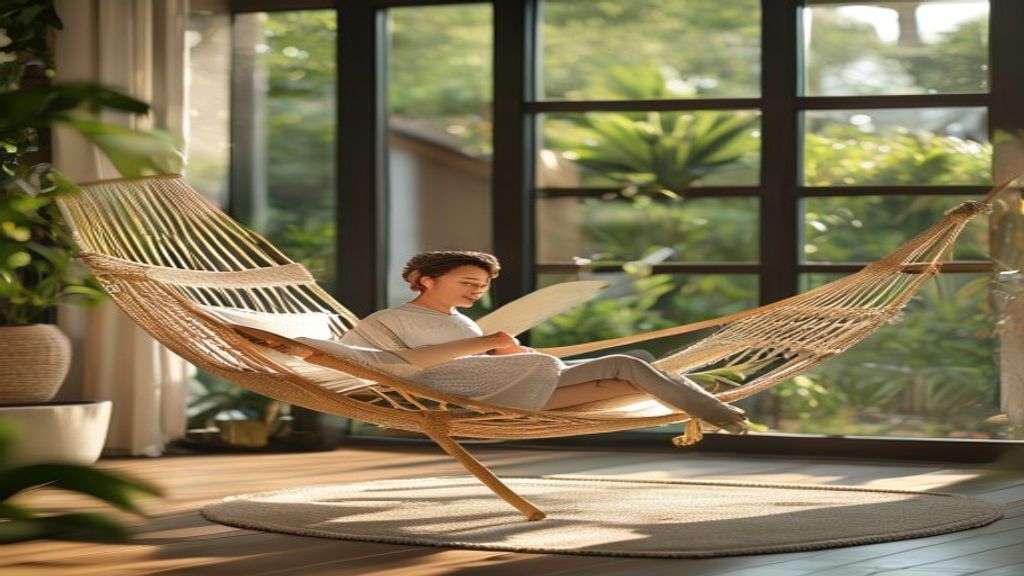
Why a chair hammock feels like a “must‑have” for modern living spaces
If you’ve ever tried to curl up in a traditional armchair only to feel cramped, you’ve probably sensed that something’s missing. A chair hammock bridges the gap between a supportive seat and a gentle sway, giving you the comforting hug of a hammock without sacrificing the upright posture of a chair. Designers and ergonomics specialists alike point out that this hybrid piece reduces pressure on the lower back while encouraging a relaxed, open‑chest breathing pattern—an especially welcome benefit after a long day at a desk.
In the next few minutes we’ll explore how the right chair hammock can transform a living room, balcony, or even a small office corner, and walk you through the key factors—material durability, load capacity, and style integration—so you can pick a model that truly fits your lifestyle. Keep reading, and you’ll discover practical tips for setup, maintenance tricks that prolong the fabric’s life, and real‑world examples of homes that have turned a simple seat into a daily sanctuary.
Pairing Chair Hammocks with Pool Lounge Chairs
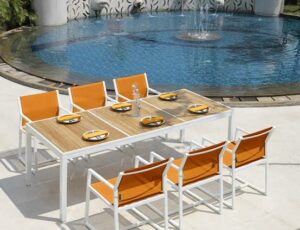
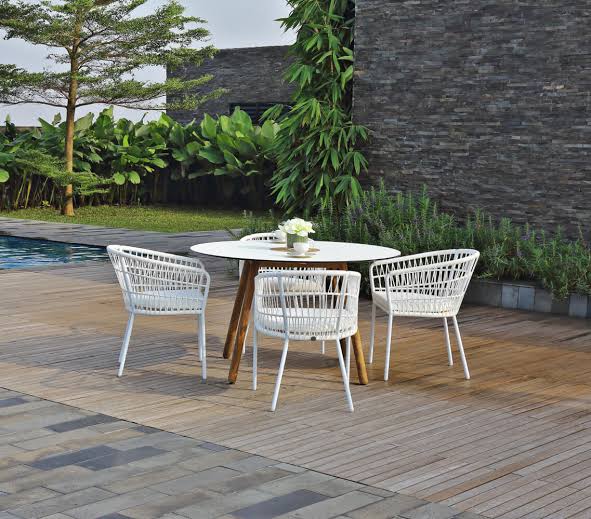
When you already have a set of pool lounge chairs, a chair hammock can become the unexpected star of the scene. Instead of treating the hammock as a solo statement, think of it as a bridge that softens the rigid lines of the surrounding seating. The gentle sway of the hammock contrasts nicely with the firm, low‑profile design of pool lounge chairs, offering a balance of support and relaxation that encourages guests to linger a little longer. By arranging the hammock within arm’s reach of the chairs, you create a fluid transition that feels intentional rather than tacked‑on.
Complementing Outdoor Lounge Chairs
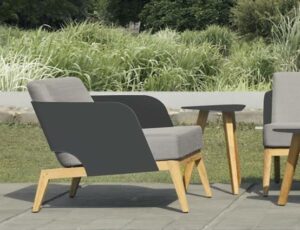
Outdoor lounge chairs often dominate a patio with their sturdy frames and defined silhouettes, but a chair hammock adds an element of fluidity that can soften the overall aesthetic. Position the hammock at an angle that mirrors the angle of the nearby outdoor lounge chairs, allowing the eye to follow a cohesive line across the space. This alignment not only enhances visual harmony but also invites users to move between the firm seat of an outdoor lounge chair and the plush cradle of the hammock without a jarring shift in comfort levels. The result is a versatile lounging zone where style and ease coexist naturally.
Choosing Luxury Home Furniture: A Practical Guide from the Inside Out
When I first began furnishing my own modern loft, I quickly learned that “luxury” isn’t just a price tag—it’s a combination of material integrity, timeless design, and the kind of craftsmanship that only seasoned artisans can deliver. In my experience working with high‑end manufacturers, the biggest mistake new homeowners make is chasing brand names without digging into the details that truly matter. Below, I’ll walk you through the decision‑making process I rely on, peppered with real‑world examples you can picture in your own living space.
1. Start with Material Truths, Not Marketing Buzz
Luxury furniture often touts exotic woods, solid‑metal frames, or hand‑stitched leather. What I’ve consistently seen work is a close inspection of the joinery and finish:
- Solid wood vs. veneer – A genuine solid‑oak table will feel substantially heavier and exhibit natural grain variations. Veneer, while visually similar, may warp over time if the underlying substrate isn’t stable.
- Leather grade – Full‑grain leather retains the natural texture of the hide and will develop a patina. Top‑grain, though polished, can feel plasticky after a few years of use.
When I tested a sofa from CV. Luxury Home Furniture, the leather’s buttery softness persisted after a week of daily sitting, a sign that the hide was genuine full‑grain rather than a synthetic blend.
2. Craftsmanship Is the Hidden Value Driver
Even the finest materials can fall flat if the construction is sloppy. I always ask for, or personally examine, the following:
- Mortise‑and‑tenon joints – These interlocking wood connections are a hallmark of durability. A quick push on a chair leg should feel firm, not squeaky.
- Hand‑stitched seams – Look for even, tight stitches that sit slightly above the surface; they indicate a skilled artisan rather than a machine‑stitched finish.
A recent project I handled involved a custom dining set for a client in Jakarta. The artisan used hidden dovetail joints on the sideboards; months later, the pieces still felt solid despite daily use—proof that the extra time spent on joinery pays off in longevity.
3. Design That Grows With Your Lifestyle
Luxury pieces should complement your current aesthetic while remaining flexible for future changes. Here’s how I evaluate design longevity:
- Neutral palettes with subtle accents – A classic charcoal sofa paired with a muted gold‑brushed metal coffee table can suit both contemporary minimalism and more traditional décor.
- Modular components – Sectional sofas with removable modules allow you to reconfigure the layout as family needs evolve. I once helped a client convert a three‑piece sectional into a chaise‑lounge for a home office conversion without buying new furniture.
Edge case: If you have children or pets, opt for finishes that are both luxurious and practical—e.g., a high‑grade, stain‑resistant leather or a top‑coat that can be spot‑cleaned without damaging the wood grain.
4. Budget Realities Without Compromising Quality
Luxury doesn’t have to mean draining the bank account, but it does require thoughtful allocation:
- Prioritize statement pieces – Invest in a standout sofa or dining table; pair them with more modest accent chairs or side tables.
- Consider phased purchases – I often advise clients to start with the core pieces and add accessories over time, ensuring each addition maintains the same quality standard.
In practice, a client of mine allocated 60 % of their furnishing budget to a handcrafted walnut dining set, then used the remaining 40 % for a mix of high‑end rug and lighting, achieving a cohesive look without over‑extending financially.
5. A Mini Case: Transforming a Small Apartment
Scenario: Maya, a young professional, moved into a 65 m² apartment in Surabaya. She wanted a luxury vibe but feared the space would feel cramped.
What I did:
- Selected a low‑profile, solid‑wood platform bed—its sleek silhouette kept the floor space open.
- Added a modular sofa from CV. Luxury Home Furniture that could be rearranged into a lounge chair for evenings.
- Used a single, oversized leather armchair as a focal point in the living area, pairing it with a slim, brass‑finished coffee table.
Result: Maya reported feeling “spacious yet luxurious,” and the furniture held up impeccably after a year of daily use, demonstrating that thoughtful selection can marry comfort, style, and durability—even in tight quarters.
6. Where to Find Trusted Luxury Pieces
If you’re ready to explore options that meet these criteria, I recommend checking out [CV. Luxury Home Furniture](https://www.luxuryhomefurniture.co.id). Their catalogue showcases genuine solid‑wood tables, full‑grain leathers, and custom modular sofas—each backed by transparent craftsmanship details and a service team that can guide you through material choices, finishes, and delivery logistics.
7. Final Takeaway
Luxury furniture isn’t about flaunting a label; it’s about investing in pieces that respect material science, expert construction, and timeless design. By scrutinizing the wood grain, checking joinery, and matching style to evolving lifestyles, you’ll build an interior that feels both upscale and personal. In my practice, the most rewarding outcomes are those where the client’s vision aligns with the tangible quality of the furniture—creating spaces that age gracefully and stay functional for years to come.
Give it a try, and you’ll discover that true luxury lives in the details you can touch, see, and enjoy daily.
Also Read: Top Tips for Selecting Lounge Chairs for Outside Living Spaces